
More News
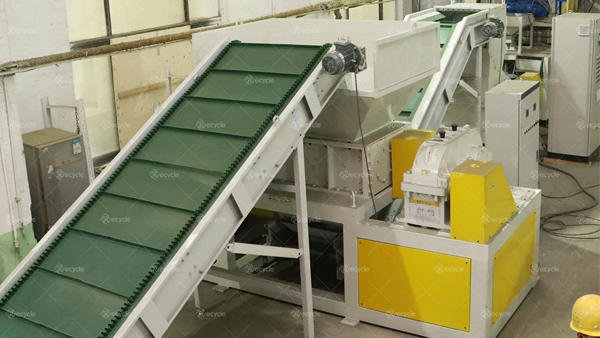
How to Choose a Scrap Motor Crushing and Separation Plant
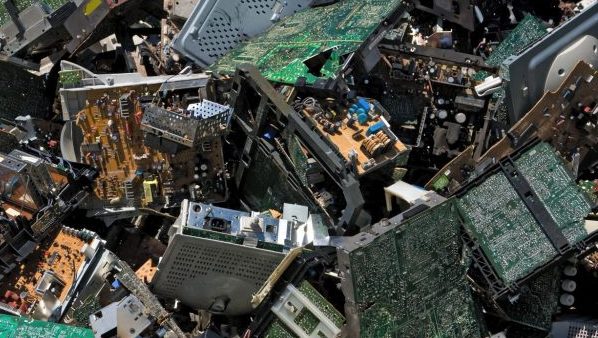
Processing scrap motors is more complicated than simply putting electrical motors into a crusher. Different motors have different housings, winding structures, metal compositions, and dimensions. A recycling plant must therefore be designed around the characteristics of the incoming material and the quality of the final products.For recyclers planning to invest in a Scrap Motor Crushing and Separation Plant, understanding the complete processing route is an important step before purchasing equipment.
Start With the Scrap Motor Material
The first consideration is the type of motors to be processed. Small household appliance motors are different from large industrial motors, automotive motors, generators, and other electrical machines.
Some motors contain a high percentage of copper, while others have more steel or aluminum. Their dimensions and internal structures can also affect how easily the material can be liberated during crushing. For this reason, equipment selection should begin with a material assessment rather than focusing only on machine capacity.
Crushing and Material Liberation
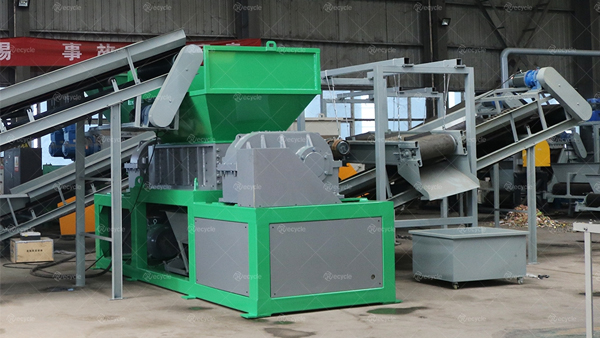
The crushing stage has an important role in motor recycling. Its purpose is to reduce the size of the motor and expose the valuable metal components.
If the material is not sufficiently liberated, copper and aluminum may remain attached to steel or insulation. On the other hand, excessive crushing may create unnecessary fine particles and increase the difficulty of downstream separation.
The ideal crushing process should therefore create a suitable particle size while allowing the valuable materials to become sufficiently separated.
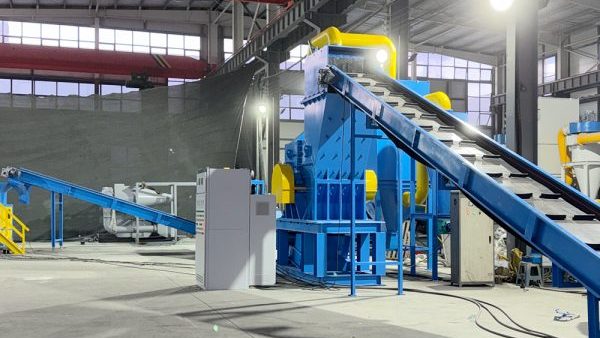
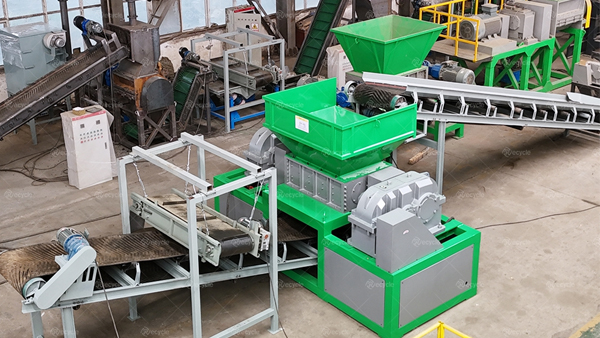
Different crushing technologies can be selected according to the motor type and required throughput. A heavy-duty shredder may be appropriate for larger and stronger motors, while a smaller crushing system may be sufficient for lightweight motor scrap.
Separating Ferrous and Non-Ferrous Metals
Once the motors have been reduced in size, separation becomes the next major stage.
A magnetic separator can remove iron and steel from the crushed mixture. This creates a ferrous metal stream and allows copper, aluminum, and other non-ferrous materials to move to the next stage.
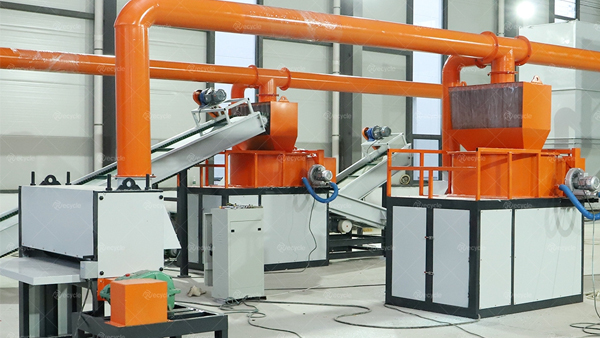
Additional separation equipment can then be incorporated according to the required recovery targets. Screening can classify materials according to particle size, while other separation technologies can improve the recovery of non-ferrous metals.
The final configuration should be based on the actual material composition rather than simply adding every available separator.
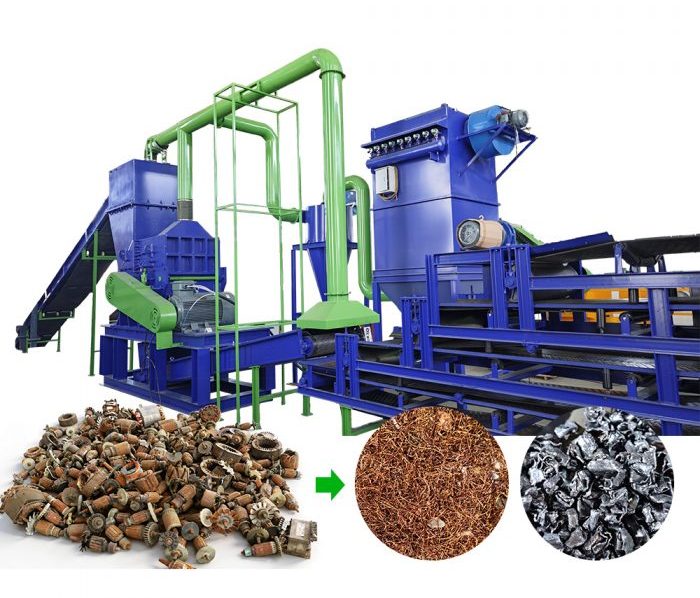
Consider Capacity and Automation
Production capacity is another important factor. A small recycling workshop may only process a few tons of motors per day, while a professional scrap metal facility may require a continuous high-volume system.
Choosing a machine with insufficient capacity can create bottlenecks. Selecting equipment that is significantly oversized, however, may increase the initial investment without providing a practical benefit.
Automation should also be considered. Conveyors, automatic feeding, centralized control systems, and continuous separation can reduce manual handling and make production easier to manage.
Think About the Final Products
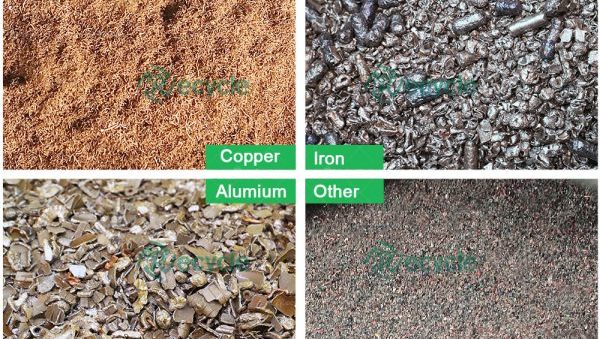
The output requirements should be defined before the plant is designed. A recycler may want separate streams of copper, aluminum, and ferrous metal, or may prioritize a specific high-purity fraction.
The cleaner the recovered material, the more suitable it may be for downstream recycling applications. Therefore, separation efficiency should be evaluated together with output quality, not capacity alone.
Build the Plant Around Your Business
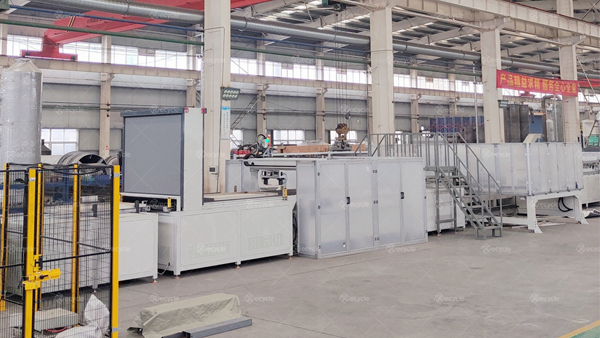
There is no universal configuration for every Scrap Motor Crushing and Separation Plant. The best system depends on the motor types, feed size, processing capacity, labor conditions, and target products.
Before purchasing equipment, recyclers should provide representative scrap motor samples and production requirements to the equipment manufacturer. Material testing can help determine the appropriate crushing method, separation stages, and plant layout.
A well-matched system can turn mixed motor scrap into several valuable material streams while reducing manual dismantling. For recycling companies looking to expand motor processing capacity, a customized crushing and separation plant can provide a scalable foundation for long-term metal recovery.