
Metal Shredder for Recycling Plant
A metal shredder for a recycling plant is one of the most critical pieces of equipment in modern scrap processing systems. It serves as the primary stage for size reduction and material liberation, directly influencing downstream separation efficiency and overall plant productivity. In industrial recycling operations, metal shredders are designed to process a wide range of materials, including steel scrap, aluminum profiles, automotive parts, and mixed metal waste.
The working principle of a metal shredder typically involves low-speed, high-torque shear force generated by rotating shafts equipped with cutting blades. This design allows the machine to process heavy and irregular materials without excessive noise or dust generation. Compared to high-speed crushers, metal shredders provide more controlled size reduction, which is essential for maintaining material integrity and improving recovery rates.
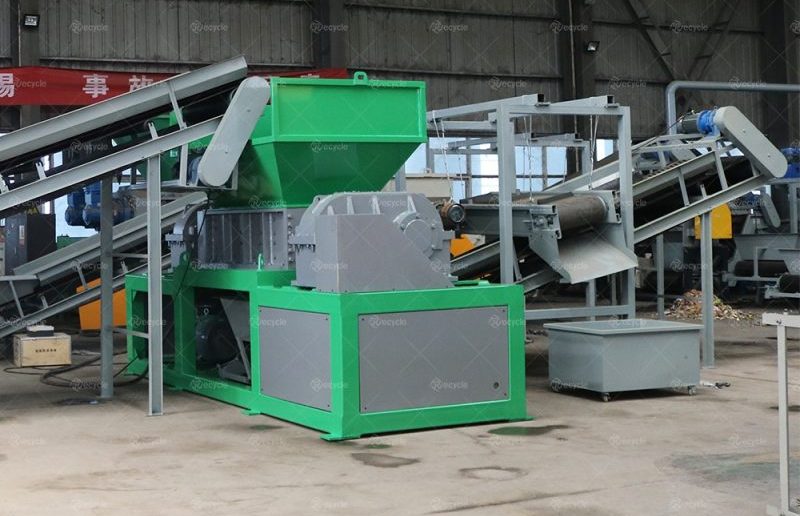
In a recycling plant, the shredder is usually integrated with conveyors, magnetic separators, and eddy current systems. After shredding, ferrous metals are extracted using magnetic separation, while non-ferrous metals such as aluminum and copper are separated using eddy current technology. The effectiveness of these downstream processes depends heavily on the consistency of the shredded material.
Choosing the right metal shredder involves considering factors such as material type, processing capacity, and desired output size. Heavy-duty applications require robust machines with reinforced shafts and high-power motors, while lighter materials may be processed with smaller systems. Automation features such as PLC control and auto-reverse functions improve operational efficiency and reduce downtime.
In conclusion, a metal shredder is the backbone of any recycling plant. Proper equipment selection and integration are essential for achieving high efficiency and maximizing material recovery.