
Biomass Carbonization Furnace vs Traditional Charcoal Kiln
The Difference Begins With Production Methods
Traditional charcoal kilns usually operate through batch production. Workers load biomass, complete the carbonization process, wait for cooling, and then remove the finished charcoal before starting the next cycle.
This method relies heavily on manual experience. Temperature control, heating time, and final product quality can vary from one batch to another.
A biomass carbonization furnace is designed around continuous operation. Materials enter the system gradually and move through controlled processing areas before being discharged as finished biochar.
The difference is not simply about speed. It is about creating a more predictable production environment.
Labor Requirements and Daily Management
Labor is one of the biggest differences between the two methods.
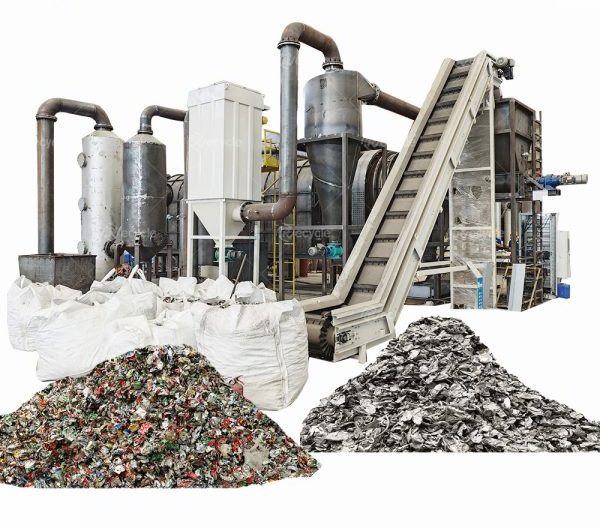
Traditional kilns require workers to handle loading, monitoring, unloading, and restarting operations. For small production, this may not create a major problem. However, when production volume increases, labor demand becomes a high operating cost.
Modern carbonization furnaces reduce manual involvement through automated feeding, temperature monitoring, and continuous discharge systems. Operators can manage production more efficiently while focusing on overall system control.
For companies planning commercial-scale biomass recycling, reducing dependence on manual operation can improve long-term stability.
Product Quality and Market Requirements
Another important consideration is the final product.
Traditional charcoal production often produces variations between different batches. This can be acceptable for some fuel markets but may create challenges when customers require consistent biochar quality.
Industrial users increasingly pay attention to factors such as carbon content, moisture level, and product stability. A biomass carbonization furnace provides better process control, helping manufacturers produce a more consistent product.
This advantage becomes especially important for businesses targeting applications beyond traditional charcoal fuel, such as agriculture, soil improvement, and environmental projects.
Energy Utilization and Environmental Considerations
Energy efficiency is becoming an increasingly important factor in production decisions.
Traditional kilns often release large amounts of smoke and combustible gases without effective recovery. Besides increasing energy waste, this may create environmental concerns.
Modern carbonization systems are designed to improve gas utilization. The gases produced during the process can be collected and reused, helping reduce additional fuel consumption.
At Henan Recycle Environmental Protection Equipment Co., Ltd., our biomass carbonization furnace solutions are developed with energy efficiency and practical operation in mind. The system can be customized with feeding equipment, drying units, cooling systems, and gas treatment devices according to customer requirements.
Which Solution Is Right for Your Business?
There is no single answer for every project.
Traditional charcoal kilns may still be suitable for small producers with limited investment budgets. However, companies that require continuous production, stable quality, and scalable growth usually benefit more from modern carbonization technology.
The right choice depends on raw material availability, production goals, market requirements, and future development plans.
As biomass waste becomes an increasingly valuable resource, the way it is processed will directly influence business profitability. For companies looking to build a professional biomass recycling operation, investing in suitable carbonization technology can provide a stronger foundation for long-term growth.