
Building a Safe and Profitable Battery Recycling Operation
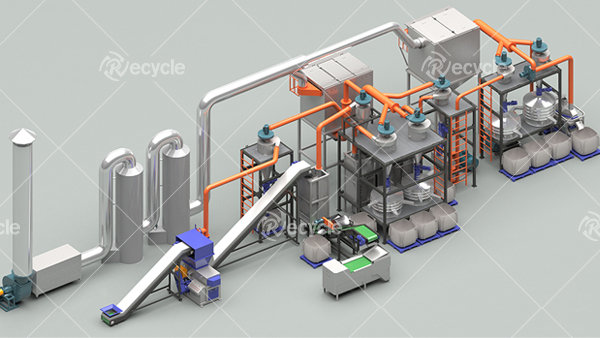
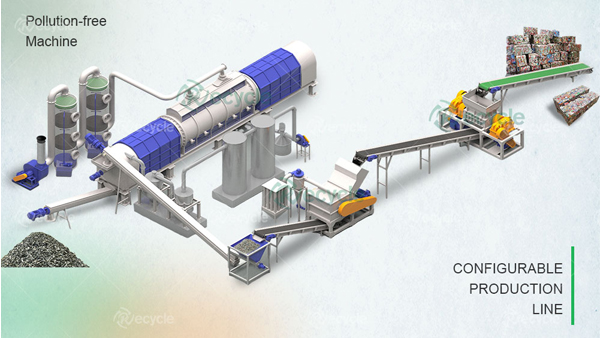
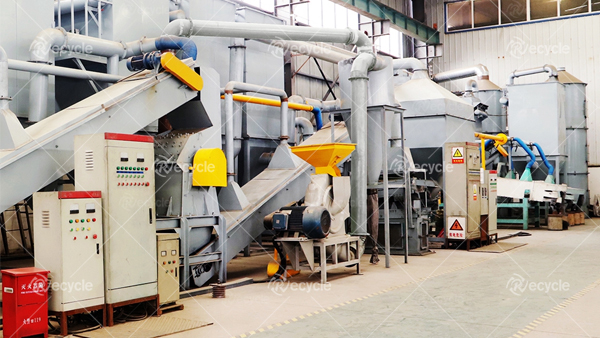
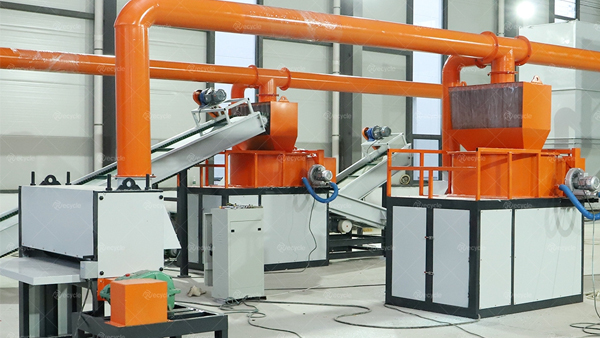
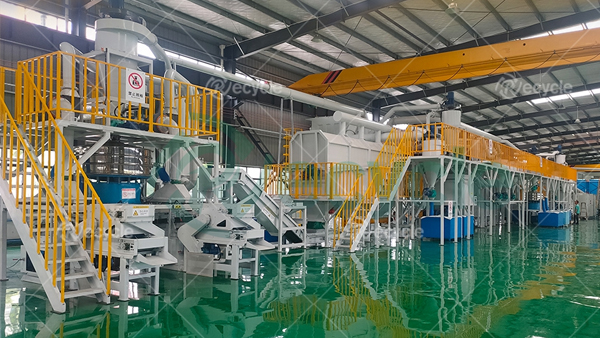
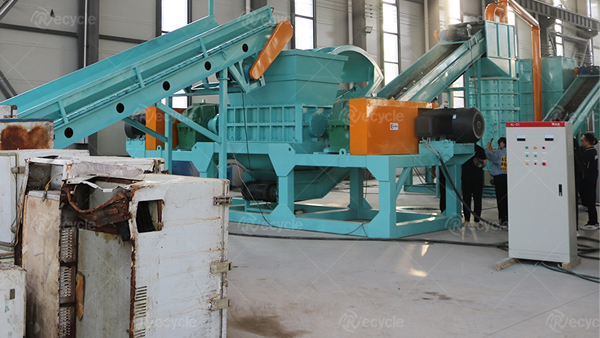
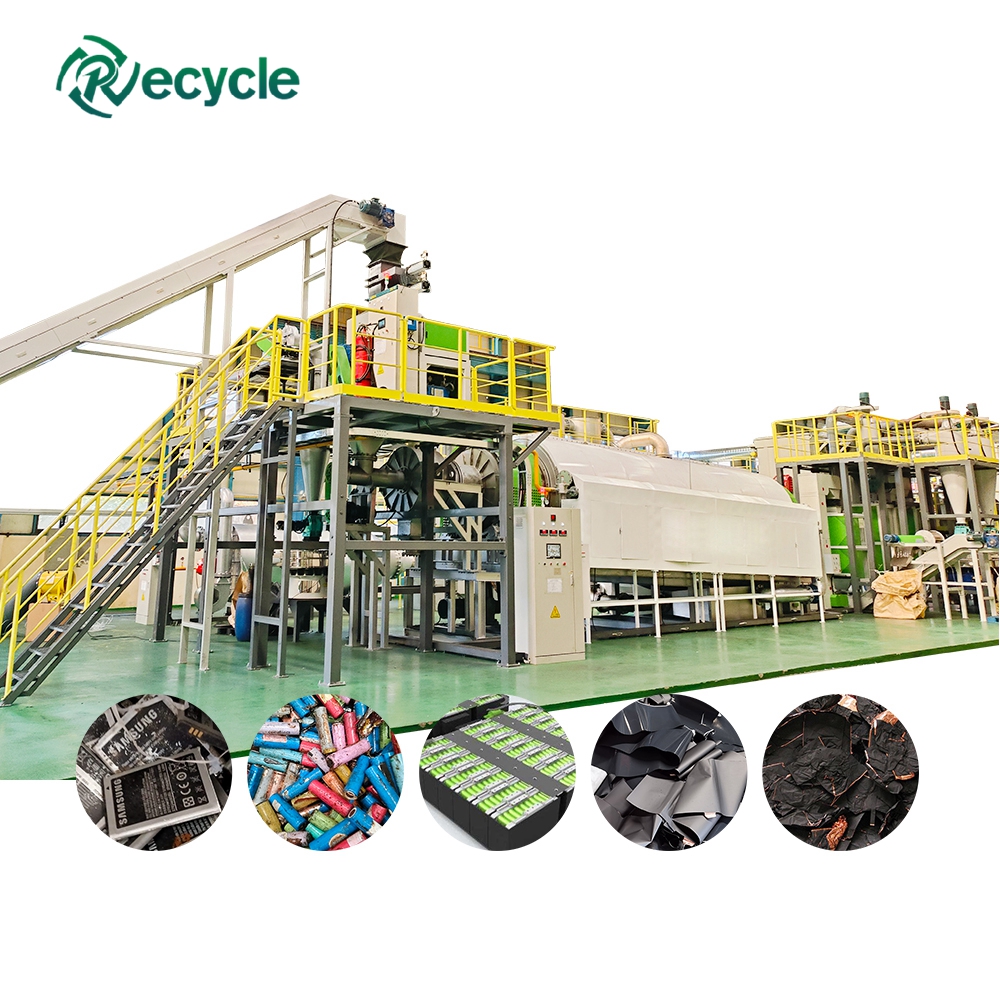
The rapid growth of electric vehicles, energy storage systems, and portable electronics has fundamentally changed the global waste landscape. Batteries are no longer a niche recycling category—they are now one of the fastest-growing and most regulated waste streams worldwide. At the center of this transformation is the battery recycling machine, a critical piece of equipment that enables recyclers to operate safely, efficiently, and profitably.
Why Battery Recycling Is a High-Risk, High-Value Industry
Unlike traditional scrap materials, batteries contain both valuable metals and significant safety hazards. Lithium-ion batteries, in particular, pose risks of fire, explosion, and toxic leakage if mishandled. At the same time, they contain metals such as copper, aluminum, lithium, cobalt, and nickel—materials with long-term strategic and economic importance.
This combination of risk and value makes battery recycling impossible to scale using manual or generic crushing equipment. A dedicated battery recycling machine is not optional; it is the foundation of any compliant recycling operation.
By investing in the right equipment early, recyclers position themselves as compliant, reliable partners in the global energy transition—while securing access to high-margin material streams.