
More News

Complete Guide to Solar Panel Recycling Industry
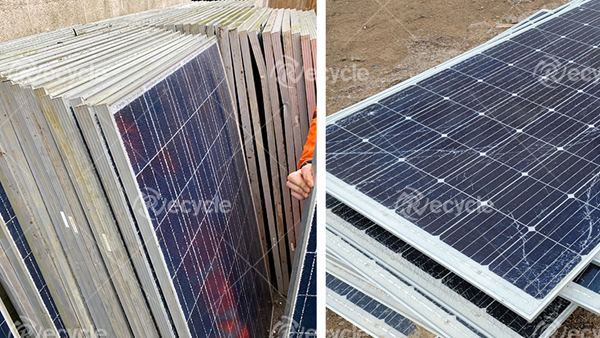
Over the past decade, driven by global renewable energy targets and the continuous decline in photovoltaic (PV) costs, the solar industry has experienced exponential growth. However, this rapid proliferation has also given rise to a new challenge: the disposal of end-of-life solar panels. The solar panel recycling industry has thus become critical—not only for achieving environmental sustainability but also for ensuring the efficient recovery and utilization of resources.
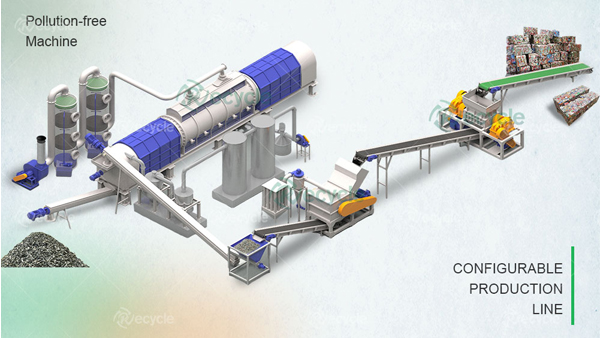
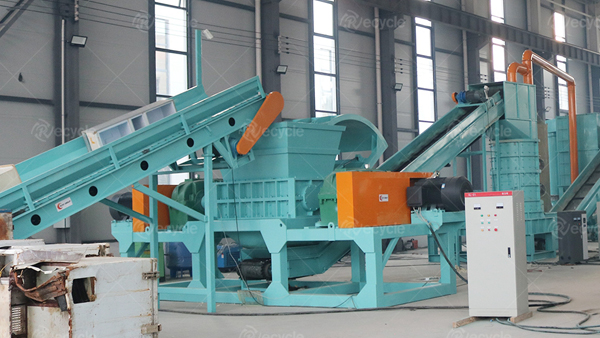
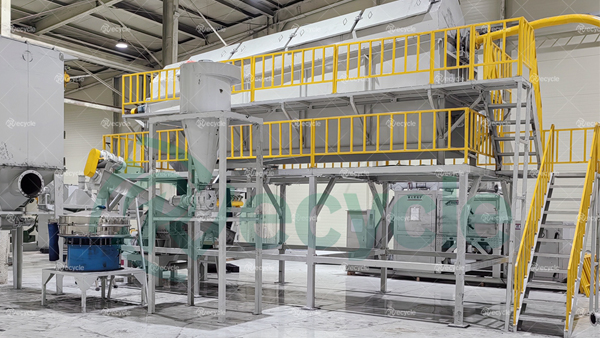
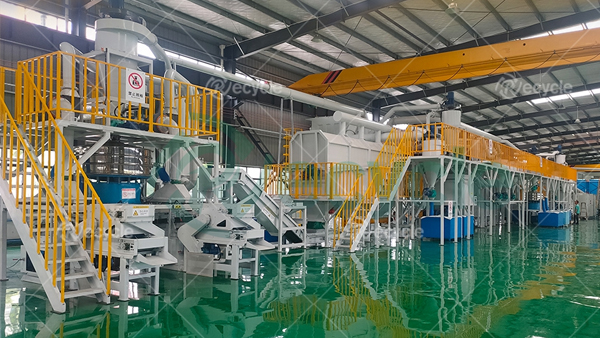
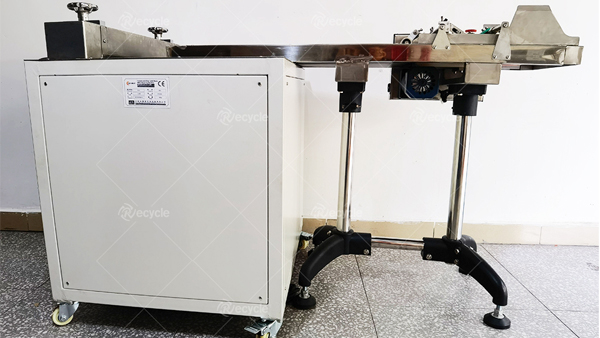
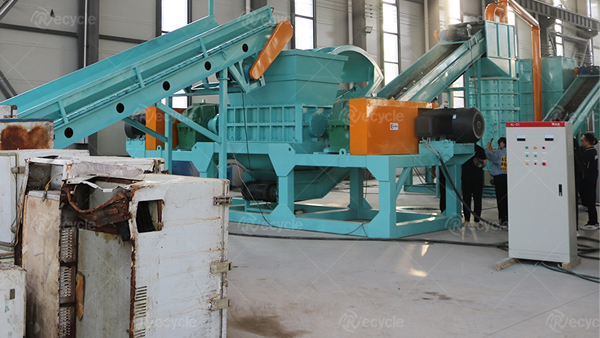
Solar panels contain high concentrations of materials such as glass, aluminum, encapsulants, silicon, and silver; they also contain rare metals such as cadmium and gallium, all of which have significant value for resource recovery. Our company’s solar panel recycling equipment processes discarded PV panels using physical methods—including automated dismantling, crushing, and sorting—to achieve a recovery rate of over 95%.
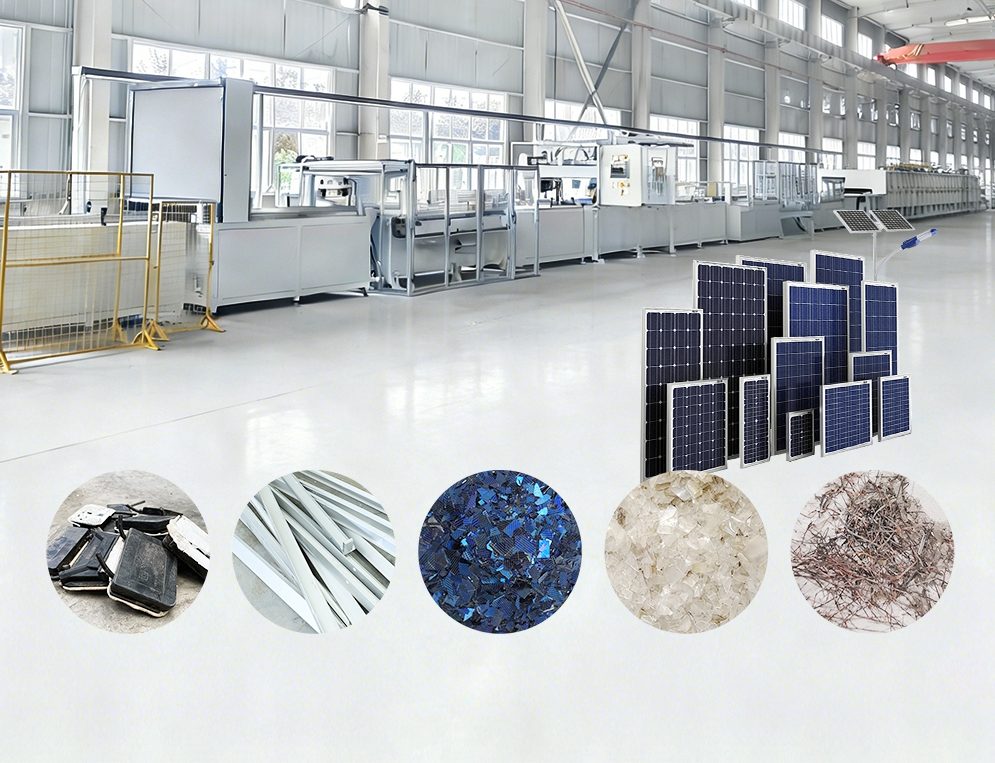
From an economic perspective, the solar panel recycling industry offers multiple advantages. First, it enables manufacturers and recyclers to recover valuable raw materials, thereby reducing reliance on virgin mineral extraction. Precious metals—particularly silver, given its exceptionally high market value—can serve as a significant source of revenue. Second, the industry aligns with the principles of the circular economy, facilitating the closed-loop management of solar materials. Finally, regulations in many regions—including the European Union’s Waste Electrical and Electronic Equipment (WEEE) Directive—mandate the proper disposal of PV waste, thereby incentivizing investment in recycling infrastructure.
The solar panel recycling industry is transforming from a niche service sector into an indispensable and critical component of the sustainable renewable energy ecosystem.