
Crinkle Cut PCrinkle Cut Paper Shred: Why Texture Matters in Packaging
Unlike plain paper strips, crinkle-cut material has a textured structure that creates additional volume. When placed inside a gift box or basket, the paper expands visually and helps fill spaces between products.
What Makes Crinkle Cut Paper Different?
The key difference is the shape of the finished material. Straight shredded paper lies relatively flat, while crinkle-cut paper has a textured appearance.
This creates several benefits. First, the filler looks more substantial. Second, it can help hold products in position. Third, the texture adds another visual element to the packaging.
For premium packaging, these small details can make a significant difference.
Popular Uses
Crinkle-cut paper is commonly found in gift baskets and presentation boxes. However, its application is much broader.
Online retailers can use it when packing fragile products. A bottle of wine, for example, can be surrounded by paper filler to improve its presentation and reduce movement inside the box.
Cosmetic companies may use colored crinkle paper in product gift sets. Handmade businesses can combine kraft paper shred with recyclable boxes to create a natural appearance. Corporate gift suppliers can also select colors that match company branding.
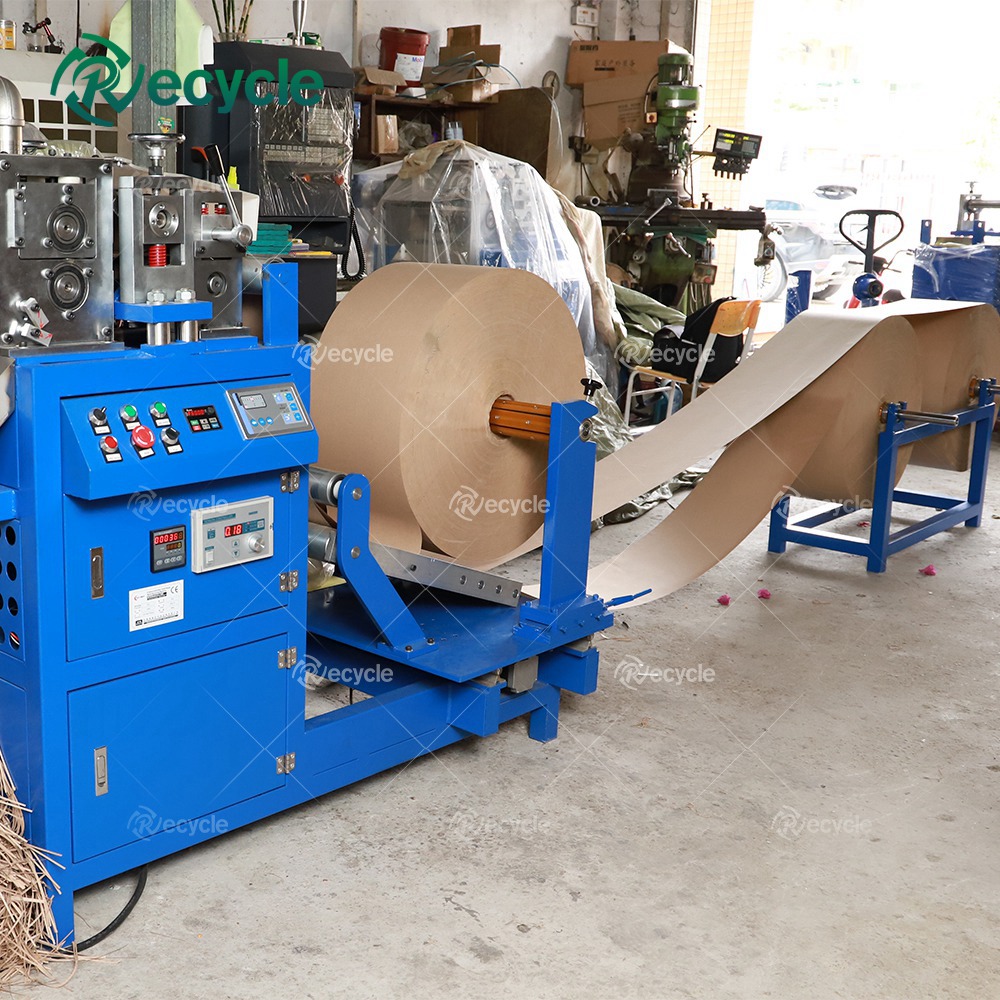
Producing Crinkle Cut Paper
For businesses with regular demand, the production process can be mechanized using a crinkle cut paper shredder.
The equipment processes suitable paper material and creates the required cut pattern at a controlled rate. Depending on the machine design, the output can be adjusted for different applications.
Production parameters should be selected according to the final product rather than simply the machine’s maximum capacity. A company producing premium gift filler may care more about cut consistency and appearance than maximum tons per hour.
Using Kraft Paper as Feedstock
Kraft paper is one of the most recognizable materials used for decorative filler. Its natural appearance fits well with sustainable packaging and handmade products.
When processing kraft paper, the machine should be selected according to paper thickness and roll or sheet dimensions. Heavy paper may require a stronger cutting system than lightweight decorative paper.
For manufacturers that process several grades of paper, flexible equipment can provide greater value because the same production line can potentially serve multiple filler products.
Turning Shredded Paper into a Sellable Product
A packaging company does not necessarily need to use all of its shredded paper internally. Crinkle filler can be packaged into different sizes and sold through retail, wholesale, or online channels.
Possible customers include gift stores, florists, subscription-box companies, e-commerce sellers, event planners, and packaging distributors.
This creates an opportunity for businesses that already have access to surplus paper. Instead of treating suitable paper as a low-value waste stream, it can be converted into a finished packaging product.
Choosing the Right Machine
When purchasing a crinkle-cut paper machine, pay attention to paper compatibility, finished strip dimensions, production capacity, operating method, and maintenance requirements.
It is also advisable to test samples before finalizing the equipment. A supplier can use the customer’s actual paper to evaluate the resulting filler and determine whether the machine configuration meets the application.
With the right equipment, crinkle-cut paper shred can be produced consistently and efficiently, giving packaging businesses a practical way to improve presentation while creating a reusable paper-based product.