
More News
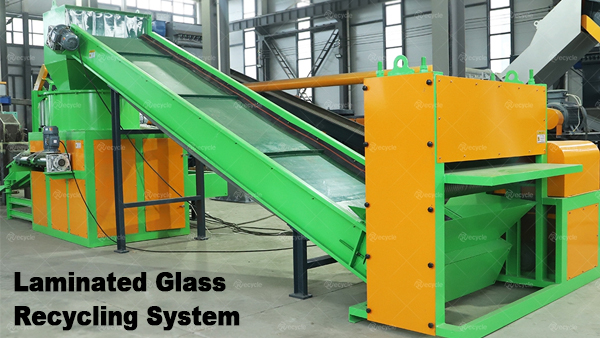
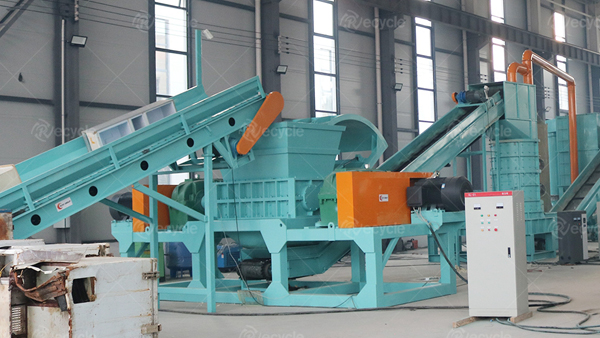
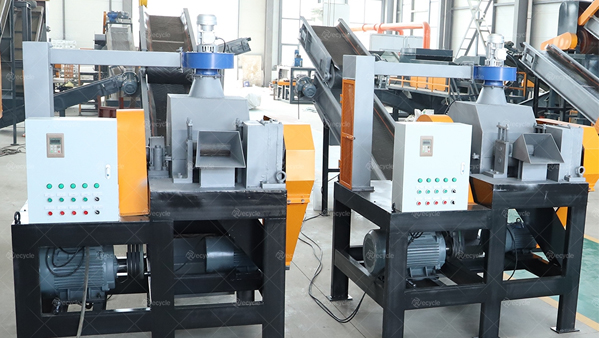
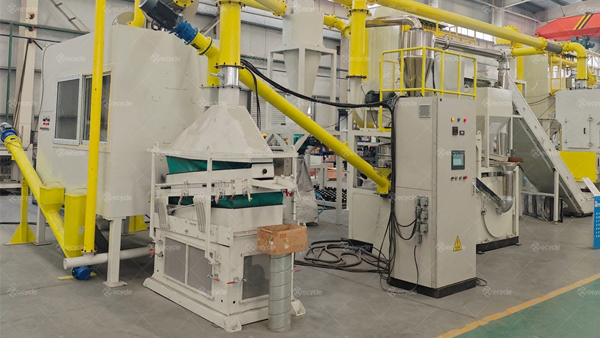
Glass PVB Separation Machine for Laminated Glass Recycling
The structural stability of laminated glass serves as the foundation for its widespread application, yet it also presents a significant challenge in terms of recycling. Traditional dismantling methods struggle to separate the tightly bonded glass and PVB layers, resulting in low resource recovery rates and a high risk of secondary pollution. The core value of PVB separation technology lies in addressing three critical industry pain points:
1. Resource Circularity Value: The separated, pure glass cullet can be directly utilized in the production of recycled glass or as aggregate for concrete, while the recovered PVB film can be processed into waterproofing membranes, sealants, automotive interior materials, and other products—thereby achieving 100% resource utilization.
2. Environmental Compliance Requirements: The technology ensures compliance with recycling regulations for construction waste and industrial solid waste across numerous countries globally, thereby reducing corporate environmental treatment costs and mitigating regulatory risks.
3. Economic Profitability: With market demand for recycled glass and PVB continuing to rise, high-efficiency separation equipment enables enterprises to transform waste materials into revenue streams, thereby enhancing overall economic performance.
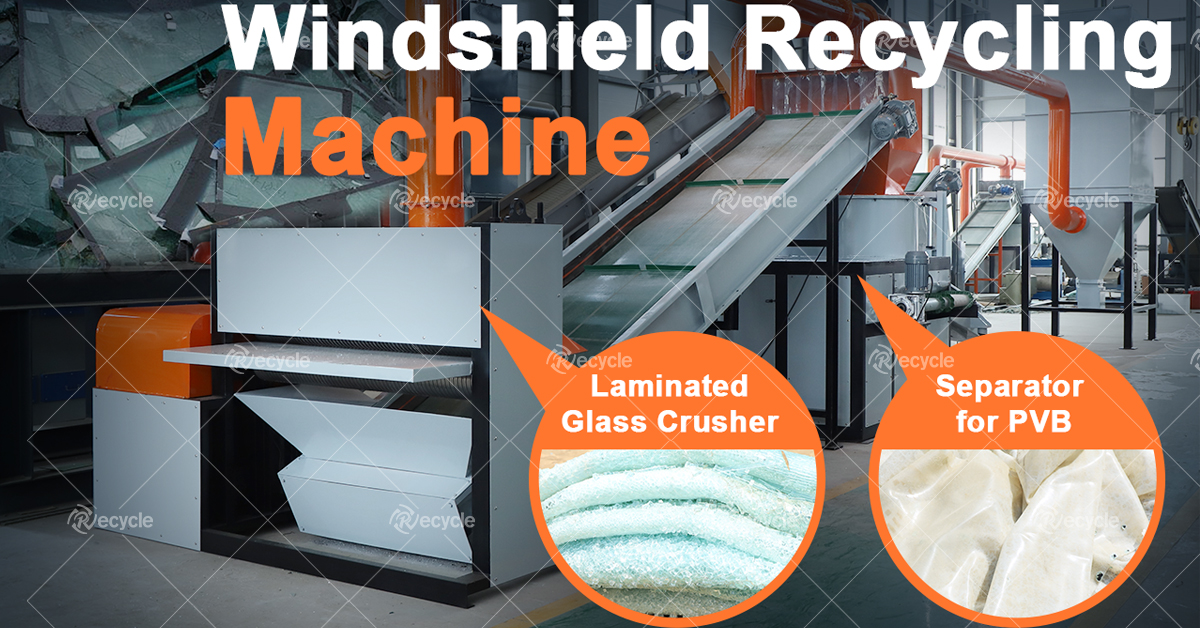
Core Working Principles of the Glass-PVB Separator
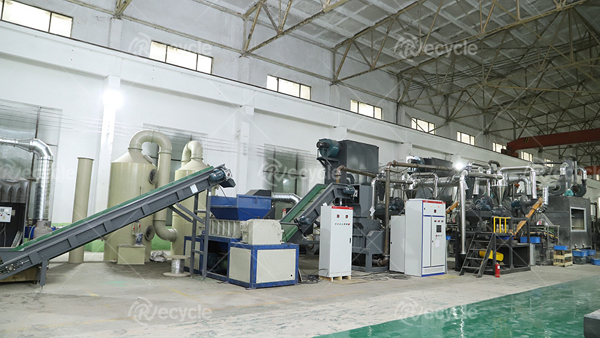
- The Glass-PVB Separator employs a physical separation process that requires no chemical reagents, ensuring an environmentally friendly and highly efficient operation throughout. The core workflow consists of four distinct stages:
- Pre-treatment: The laminated glass designated for recycling undergoes preliminary crushing to remove impurities—such as metal frames and plastic components—before being fed uniformly into the machine’s inlet via a conveyor system.
- Softening Treatment: Certain machine models are equipped with heating or water-bath systems designed to soften the PVB film, thereby reducing its adhesive strength to the glass and laying the groundwork for the subsequent separation stage.
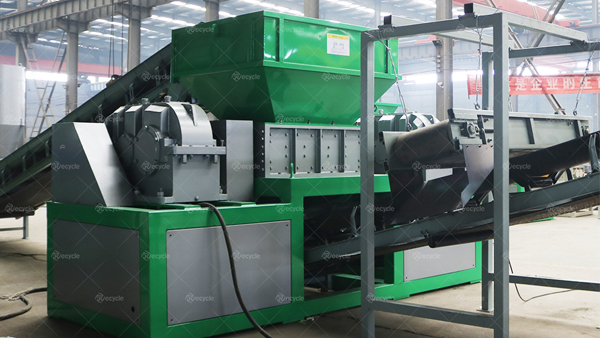
- Core Separation: Through the action of high-speed rotating blades, extrusion rollers, or airflow, the glass is thoroughly pulverized while ensuring complete detachment of the softened PVB film from the glass fragments.
- Classification and Screening: The separated glass particles and PVB film are precisely sorted using vibrating screens and airflow separation devices, directing each material to its respective collection bin to ensure both meet required purity standards.
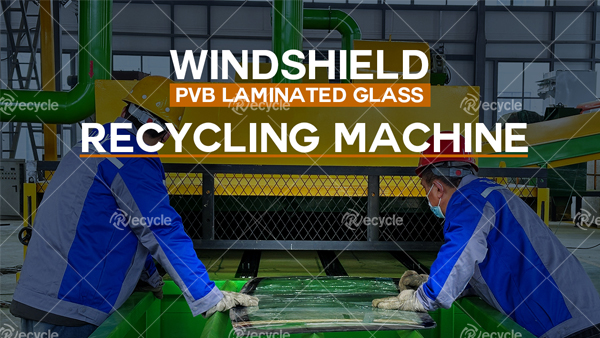
Separation technologies vary slightly across different machine models; for instance, roller-press separators are well-suited for large-format architectural laminated glass, whereas blade-cutting separators are better adapted for smaller, tempered laminated glass applications—such as automotive windshields—allowing for flexible selection based on the specific type of raw material being processed.