
More News
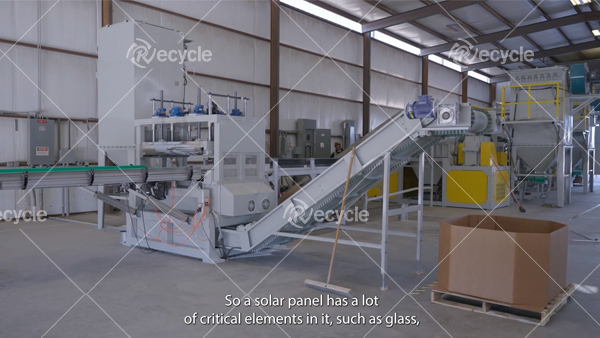
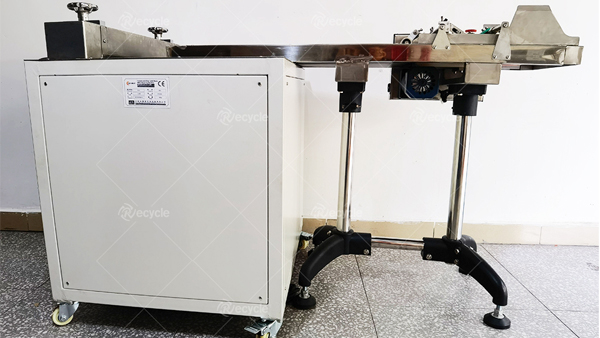
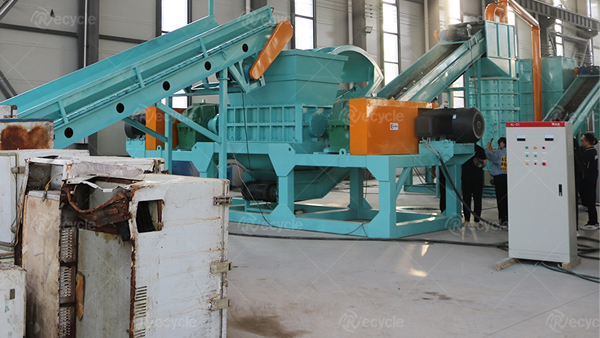
How a PCB Recycling Machine Works
Electronic waste is no longer a future problem—it is a present and rapidly growing challenge. Printed Circuit Boards (PCBs), often referred to as the “brain” of electronic devices, contain a high concentration of valuable metals such as copper, gold, silver, palladium, and tin. At the same time, they also contain plastics, resins, and hazardous substances that can harm the environment if improperly handled. This is where a PCB recycling machine becomes essential, acting as the bridge between environmental responsibility and economic return.
A professional PCB recycling machine enables companies to:
- Recover high-purity metals for resale or reuse
- Reduce environmental pollution and regulatory risks
- Lower dependence on virgin mining resources
- Create a profitable recycling business model
In many countries, stricter e-waste regulations and Extended Producer Responsibility (EPR) policies are accelerating the demand for efficient PCB recycling solutions.
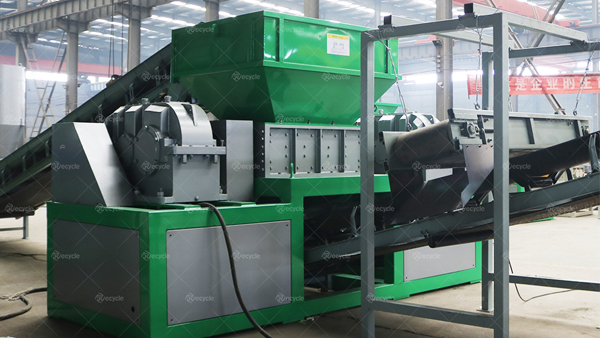
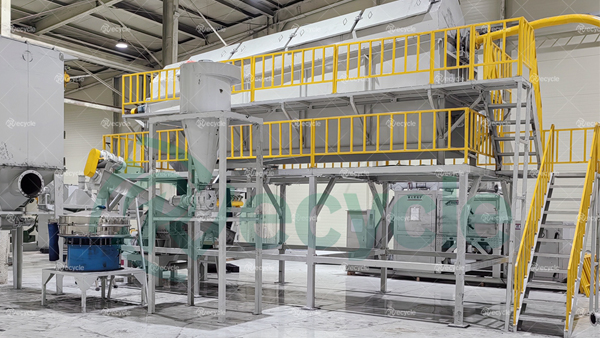
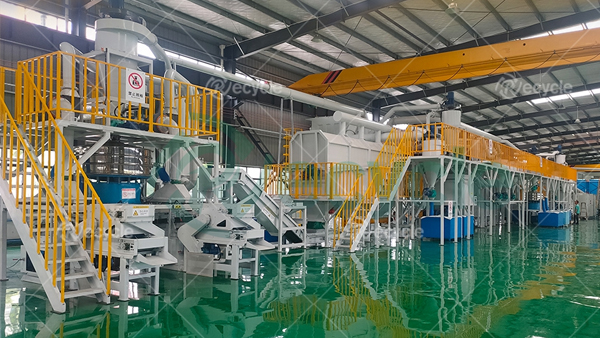
How a PCB Recycling Machine Works
A modern PCB recycling system is typically a fully integrated mechanical and physical separation line. Unlike chemical or smelting-based processes, mechanical recycling is safer, cleaner, and better suited to small- to medium-sized recycling plants.
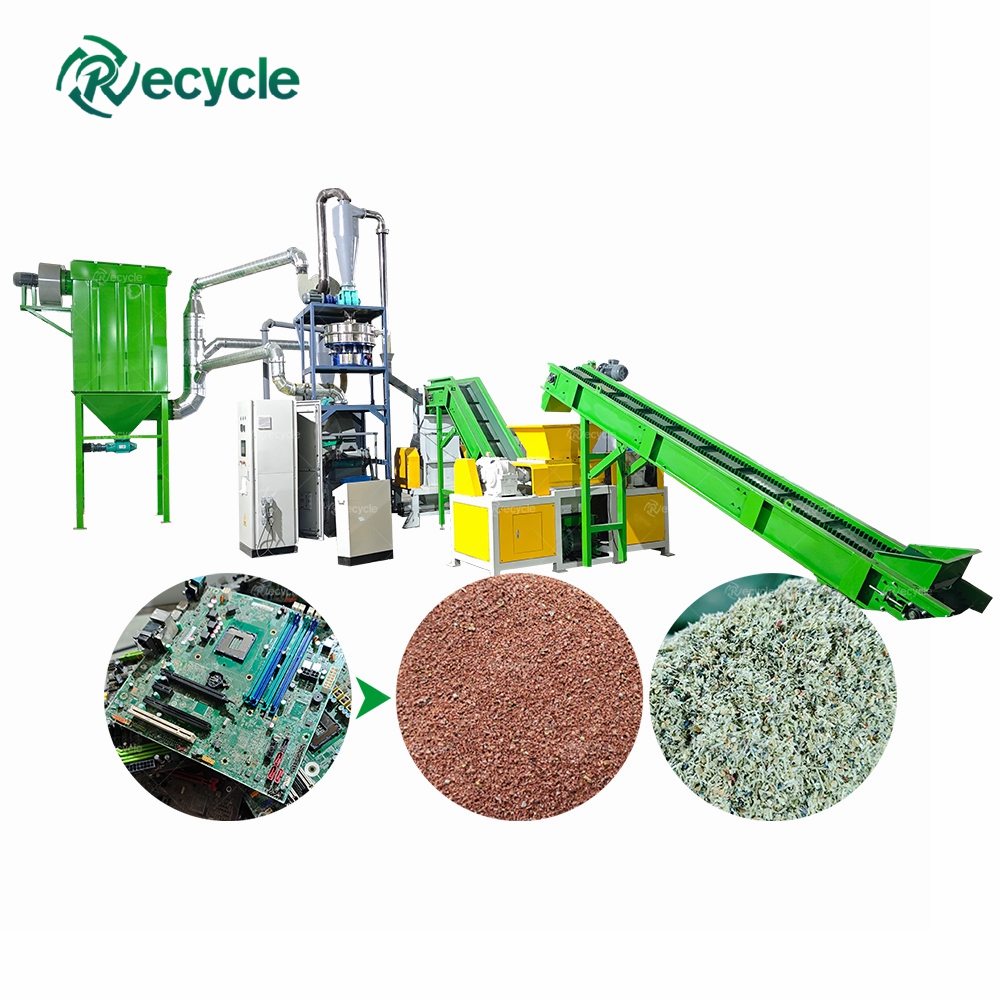
Future Trends in PCB Recycling
As electronics become smaller, more complex, and more integrated, PCB recycling technology is also evolving. Trends include:
Higher precision separation for fine-pitch boards
Automated feeding and intelligent sorting
Integration with battery and component recycling lines
Investing in a reliable PCB recycling machine today positions recyclers at the center of the circular electronics economy.