
More News
How Paper-Plastic Separation Machines Improve Recycling Efficiency and Profit
In today’s rapidly evolving recycling industry, paper-plastic separation machines represent a breakthrough in turning complex waste streams into profitable materials. Traditional recycling systems struggle with composite materials that bond paper fibers and plastic layers — leading to contamination and reduced material value. This is where advanced separation technology makes a measurable difference.
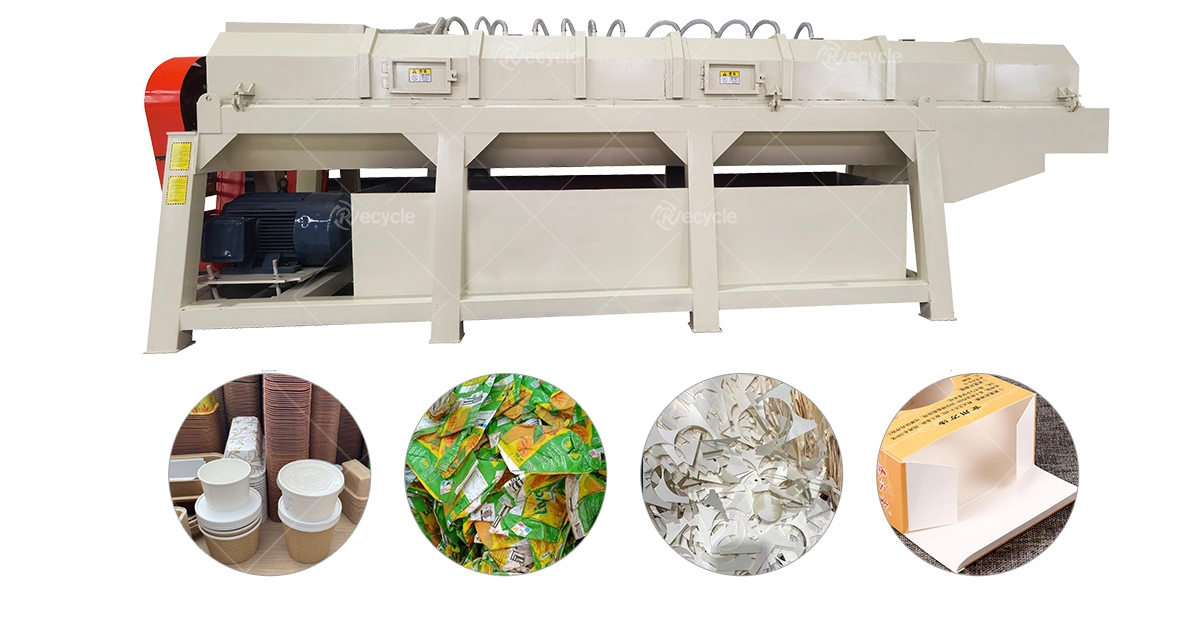
The Challenge of Composite Waste
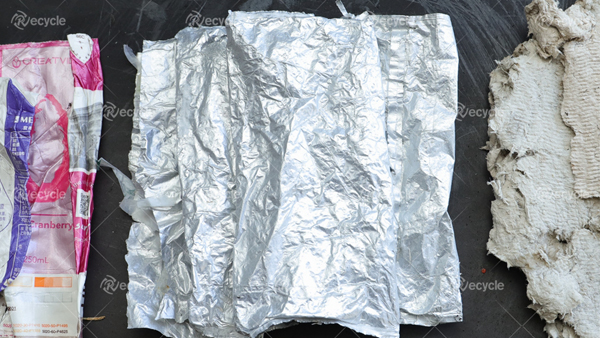
Materials such as laminated paper, coated cups, and beverage cartons consist of paper bonded with plastic or aluminum layers. Conventional sorting methods are inefficient at fully breaking down these bonds. As a result:
Recovered paper pulp contains plastic contaminants.
Plastics are difficult to reuse due to fiber residues.
Recycling facilities incur higher processing costs and lower returns.
The introduction of specialized separation machinery directly addresses each of these challenges.
Working Principle of Separation Technology
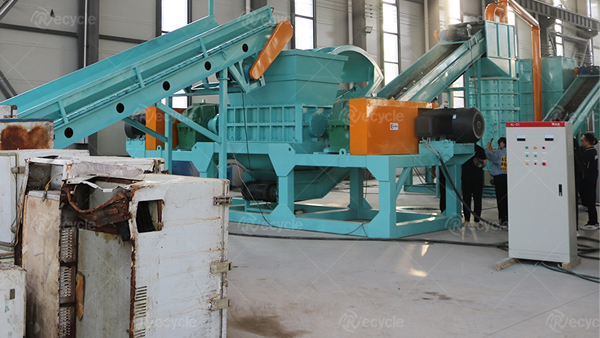
Modern paper-plastic separation systems use physical separation techniques that operate at room temperature without the need for chemical solvents or heat. They rely on differences in material density, mechanical agitation, and controlled water circulation to isolate components.
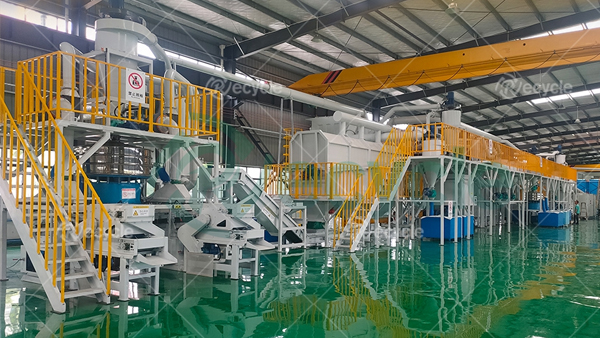
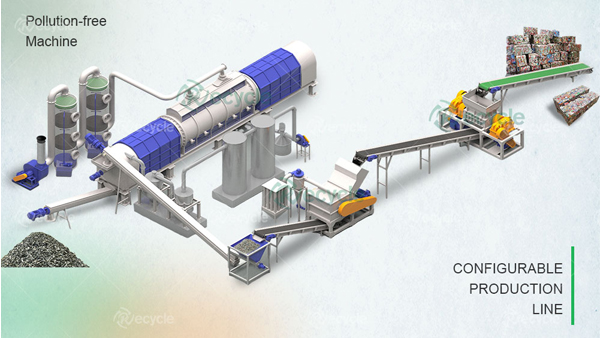
In a typical separation plant:
Pulping breaks apart composite materials in a controlled wet environment.
Mechanical screens and density flows separate fibers from plastics based on physical properties.
Dewatering units remove excess moisture from both material streams, preparing them for commercial reuse.
These innovations result in exceptionally clean output — with plastic purity over 95% and paper pulp ready for further processing.