
More News
How to Choose a Laminated Glass Recycling Equipment Manufacturer
As the replacement cycles within the automotive industry shorten and the volume of discarded architectural safety glass accumulates, the recycling of laminated glass is gradually shifting from a mere environmental trend to a commercial imperative. Manufacturers of laminated glass recycling equipment are no longer simply suppliers of machinery; rather, they have evolved into technical partners offering “systematic recycling solutions.”
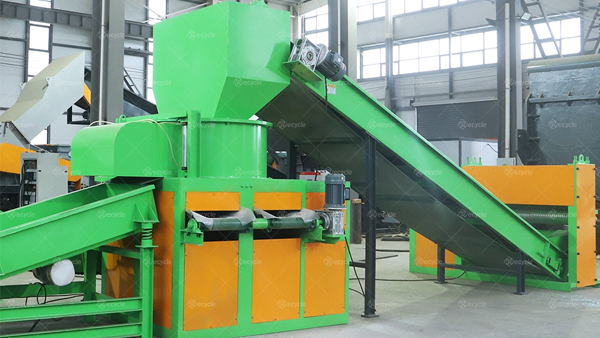
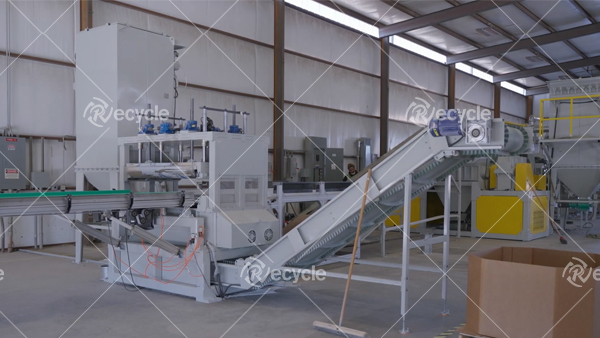
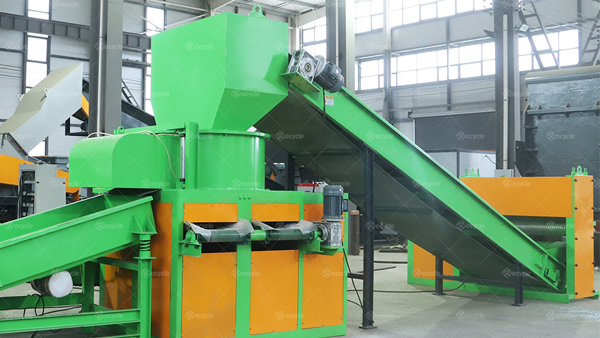
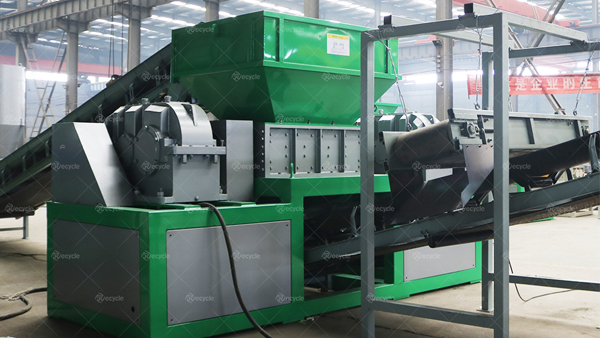
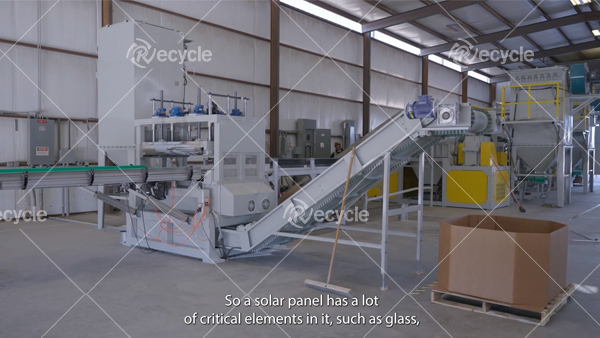
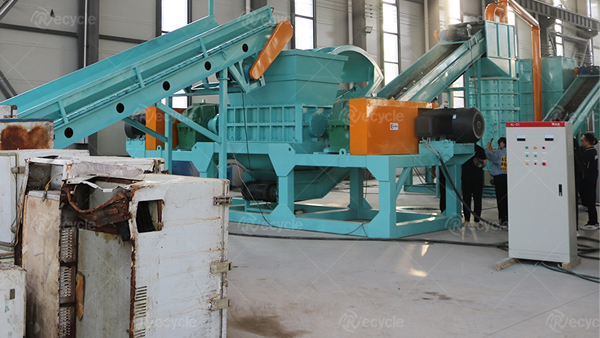
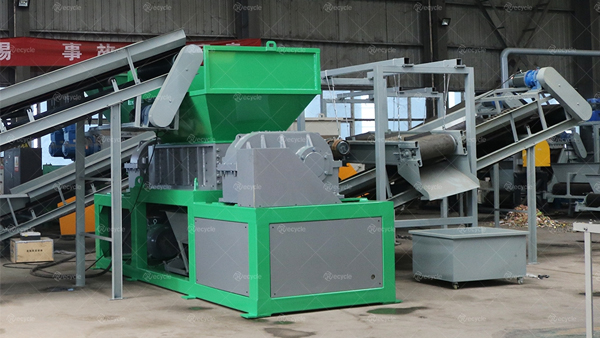
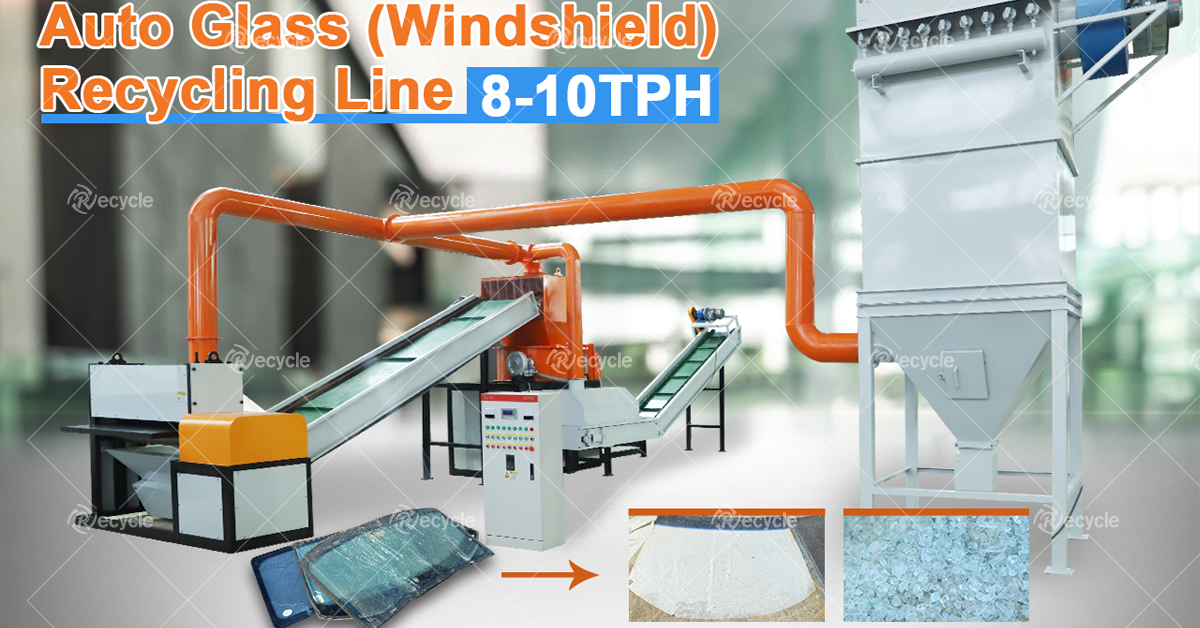
First, let us examine the core technology of the equipment. High-quality laminated glass recycling systems employ advanced separation processes, typically comprising glass pre-crushing, mechanical separation, and high-purity screening.
Leading manufacturers place great emphasis on the design of the equipment’s transmission and power systems. High-performance motors, precision reducer assemblies, and robust rolling bearings ensure operational stability under continuous working conditions, thereby minimising downtime and energy consumption. Integrated PLC controls feature multi-condition monitoring capabilities, automatically adjusting operating parameters—such as material thickness, particle size, and moisture content—to boost efficiency and extend the service life of critical components.
Secondly, the quality of material separation serves as a core metric for evaluating the calibre of the equipment. High-end systems ensure that, following separation, both the glass particles and the thin interlayer films achieve a level of purity suitable for reuse, while simultaneously minimising cross-contamination.
A manufacturer’s technical R&D capabilities are another factor that cannot be overlooked. A truly competitive manufacturer will continuously invest in R&D improvements—for instance, optimising processes to achieve higher separation purity, lower energy consumption, reduced dust and noise emissions, and enhanced modular compatibility to accommodate diverse material types in the future. Such long-term R&D capabilities not only boost equipment performance but also significantly influence the total cost of ownership over the equipment’s entire lifecycle.
After-sales service and on-site support constitute another critical consideration. Advanced automated equipment often requires fine-tuning of production parameters during the commissioning phase; consequently, reputable manufacturers provide well-established installation and commissioning protocols, on-site training, and remote technical support. This approach minimizes the time required for users to transition from equipment startup to stable production, while also ensuring rapid response services in the event of equipment malfunctions.
Therefore, when selecting a manufacturer for laminated glass recycling equipment, one should look beyond mere product specifications and price quotes. Instead, a comprehensive evaluation is required—encompassing the holistic solution offered, R&D prowess, operational support, and long-term service infrastructure—to identify a partner capable of truly helping the enterprise enhance both its recycling efficiency and economic returns.