
Industrial E-Waste Recycling Plant
The rapid growth of consumer electronics has generated one of the fastest-growing waste streams in the world: electronic waste, commonly referred to as e-waste. From discarded smartphones and laptops to obsolete household appliances and industrial electronics, e-waste contains both hazardous substances and highly valuable materials. An E-waste recycling plant is no longer just an environmental solution—it has become a profitable industrial investment and a strategic response to global resource scarcity.
What Is an E-Waste Recycling Plant?
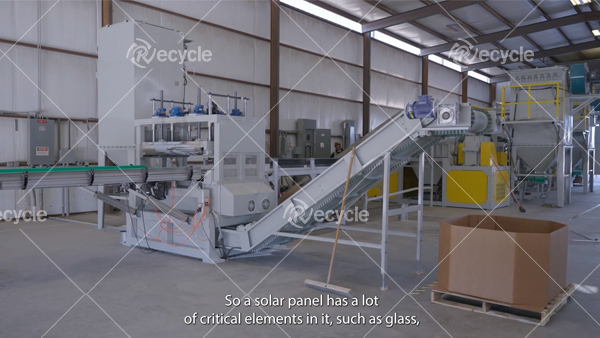
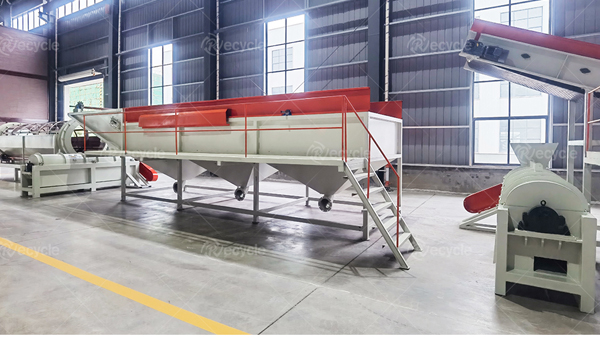
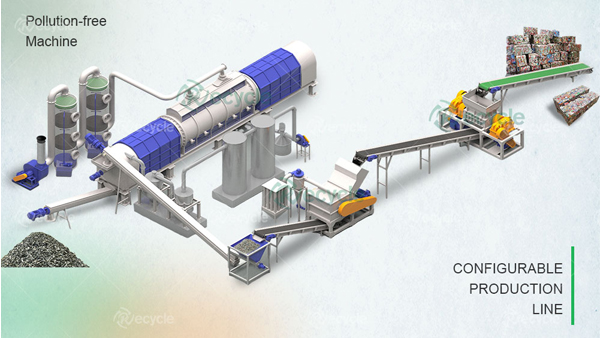
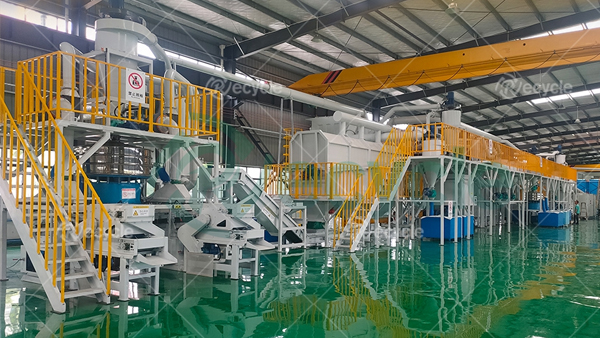
An E-waste recycling plant is a complete processing system designed to handle mixed electronic waste and convert it into reusable raw materials. Unlike simple collection or manual dismantling, a modern recycling plant integrates shredding, crushing, separation, and sorting technologies to recover metals, plastics, and other components efficiently.
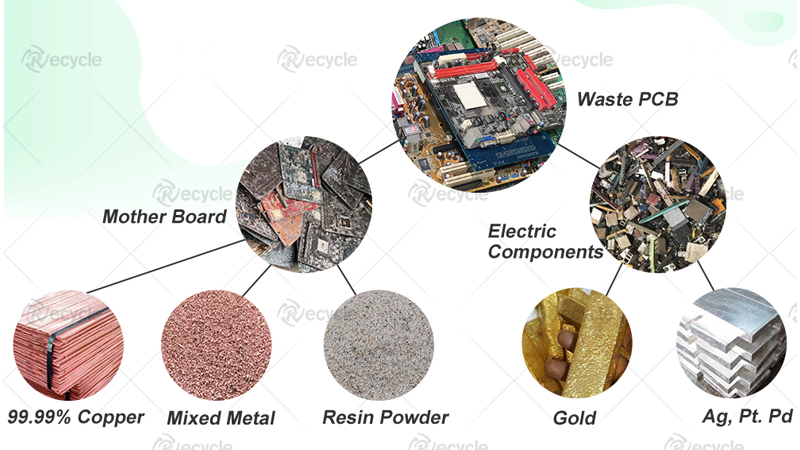
Typical materials processed include: Printed circuit boards (PCBs)/IT and telecom equipment/Small and large household appliances/Consumer electronics such as TVs, phones, and computers
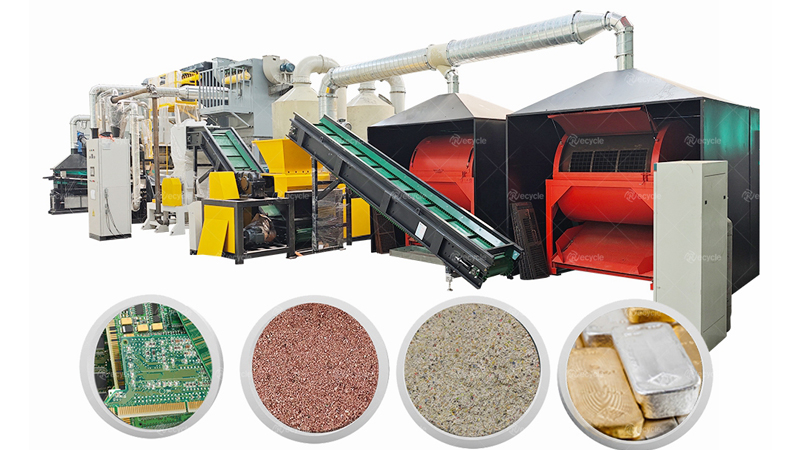
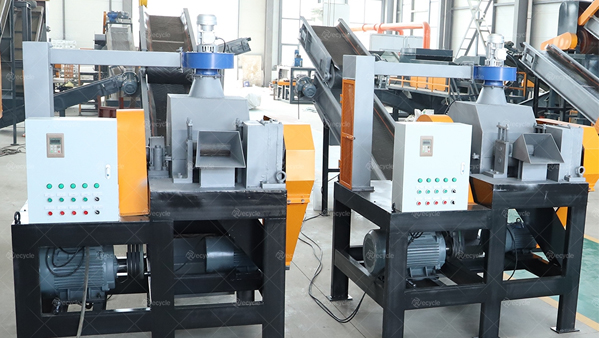
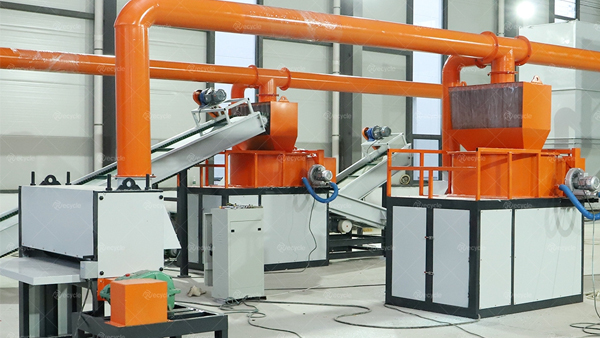
Core Equipment in an E-Waste Recycling Plant
- Shredder: Reduces bulky electronic waste into manageable pieces. This step improves downstream separation efficiency and ensures consistent material flow.
- Secondary Crushing System: Further reduces particle size to liberate embedded metals from plastic and composite materials.
- Magnetic Separation Unit: Removes ferrous metals, such as iron and steel, commonly found in electronic housings and frames.
- Eddy Current Separator: Separates non-ferrous metals like aluminum and copper from non-metallic materials.
Air Separation and Dust Collection System: Ensures lightweight materials are separated while maintaining a clean and compliant working environment.
With the global demand for recycled metals and sustainable manufacturing materials rising, E-waste recycling plants represent a long-term investment with stable returns. Companies that enter this sector early gain a competitive advantage in technology, supply chains, and regulatory compliance.