
More News
Laminated Glass Recycling Plant Cost
The cost of establishing a laminated glass recycling plant is determined not by a single machine price, but by the integration of multiple processing stages, equipment configurations, and automation levels. Laminated glass, typically composed of two or more glass layers bonded with PVB, EVA, or SGP interlayers, requires specialized separation technology that significantly differs from conventional glass crushing systems. As a result, investment planning must consider the entire processing workflow rather than focusing on individual equipment costs.
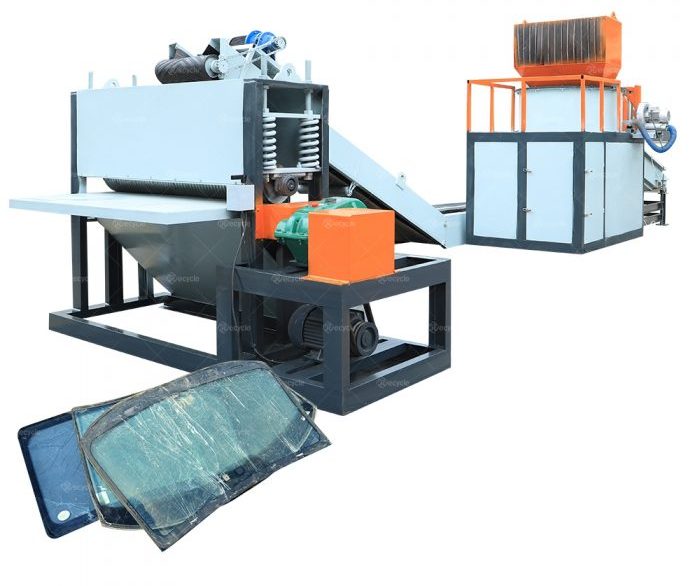
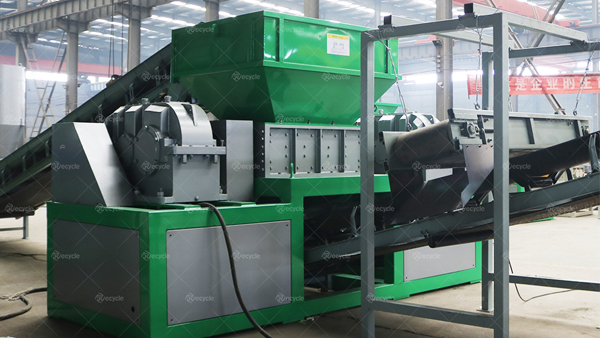
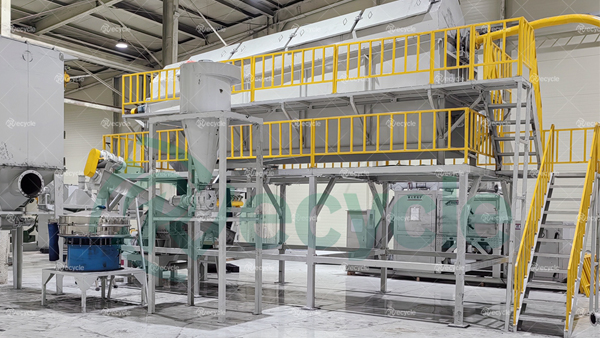
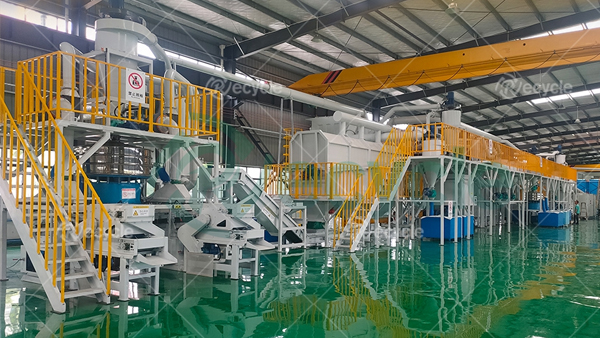
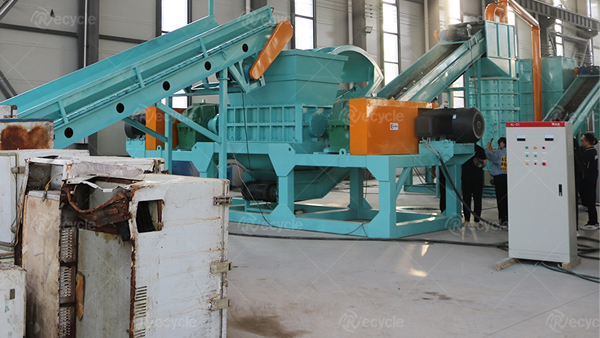
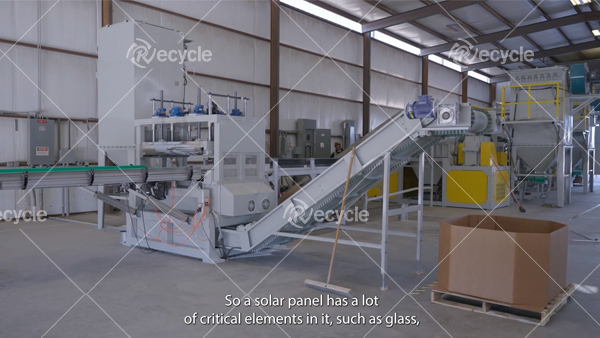
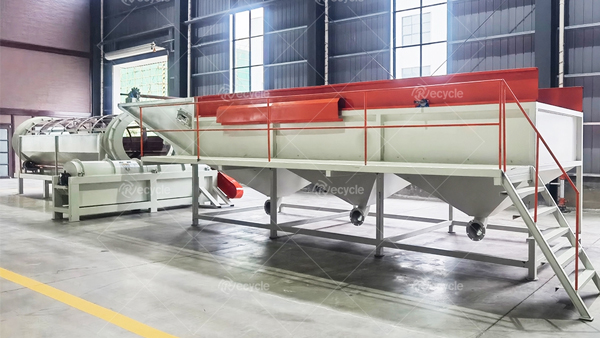
A standard laminated glass recycling plant includes feeding systems, primary crushers or breakers, laminated glass separation machines, screening units, and dust collection systems. The most critical and cost-sensitive component is the separation unit, which is responsible for efficiently detaching glass fragments from the interlayer film. High-performance separation machines use a combination of compression rollers and mechanical peeling mechanisms to exploit the difference between brittle glass and elastic polymer layers. The efficiency of this stage directly affects both recovery rate and final material purity, making it the core determinant of plant value.
Capacity is one of the primary cost drivers. Small-scale plants with processing capacities of 1–2 tons per hour require relatively simple configurations, often relying on semi-automatic feeding and basic separation systems. In contrast, industrial-scale facilities processing 5–10 tons per hour or more require fully automated production lines, including conveyor systems, PLC control, and integrated dust extraction. These large-scale systems significantly increase capital expenditure but reduce labor costs and improve throughput consistency over time.
The cost of a laminated glass recycling plant should be evaluated as a comprehensive system investment. Factors such as capacity, automation level, material type, and equipment quality all contribute to the total cost. A well-designed plant not only minimizes operational expenses but also maximizes material recovery value, ensuring sustainable profitability in a growing recycling market.