
More News
Lead-Acid Battery Scrap Recycling Equipment
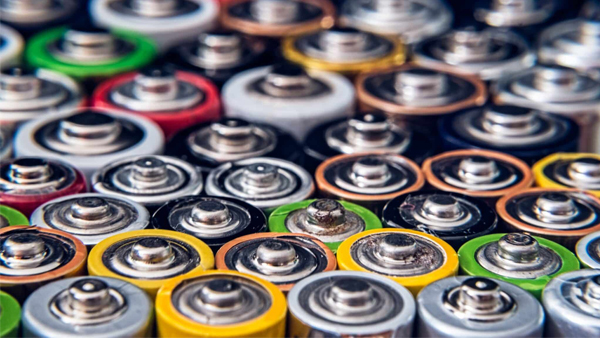
Used lead-acid batteries are generated from automobiles, backup power systems, industrial equipment, and other applications. Although these batteries are considered hazardous waste, they also contain valuable materials, particularly lead and polypropylene. Proper recycling can therefore reduce disposal pressure while recovering resources to use in manufacturing.
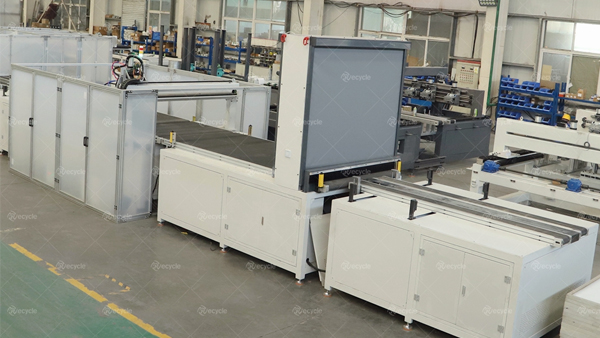
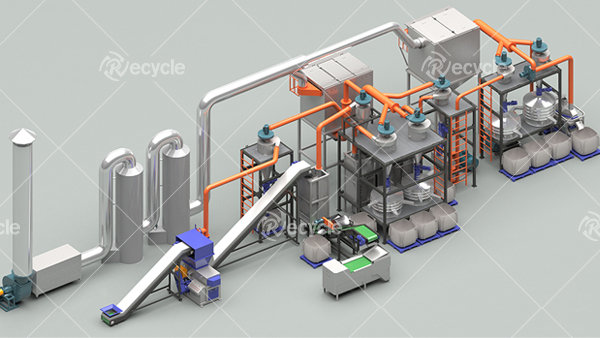
A professional Lead-Acid Battery Scrap Recycling Equipment system is designed to process discarded batteries through a series of controlled operations. Instead of treating the battery as a single waste product, the recycling process separates its major components so that each fraction can be handled according to its material characteristics.
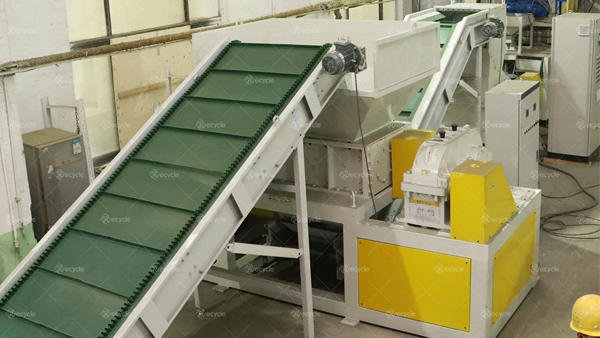
The first step is usually battery preparation. Scrap batteries may arrive with different sizes, shapes, and levels of damage, so feeding equipment needs to accommodate irregular materials. A heavy-duty crusher or shredder can open the battery casing and reduce the material into smaller pieces. During this stage, the equipment must be designed to withstand hard plastic housings and lead-containing components without excessive wear.
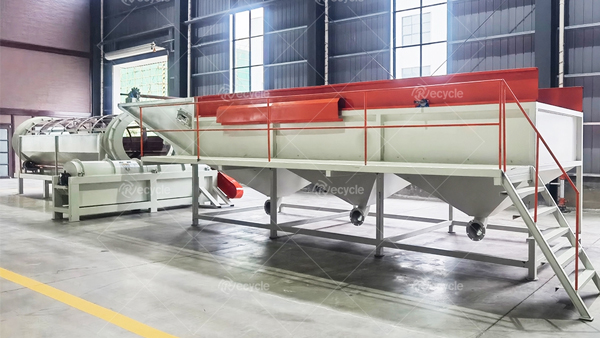
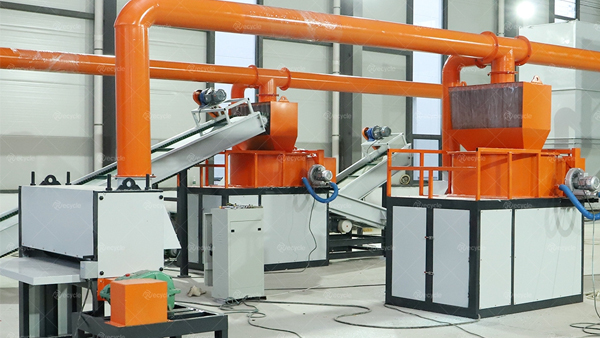
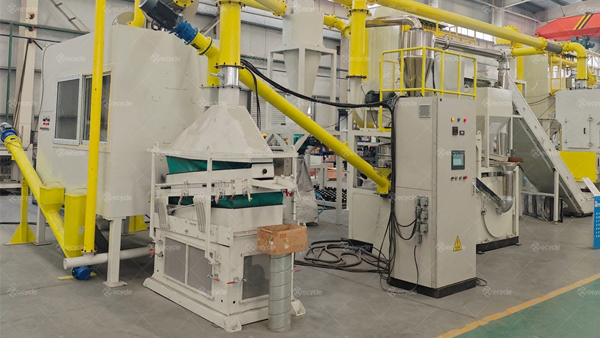
After crushing, the mixture contains several materials, including lead-bearing material, plastic fragments, and other battery components. Separation equipment is then used to divide these fractions. Gravity-based separation and screening technologies can help distinguish heavier lead-containing material from lighter plastic pieces. The exact equipment configuration depends on the battery type, required capacity, and desired purity of the recovered products.
Plastic recovery is another important part of the process. Most automotive lead-acid batteries use polypropylene for their outer cases and internal components. Once separated, the plastic can be cleaned and collected for further processing. Recovering this material prevents usable plastic from being mixed with the residue and improves the overall value of the recycling operation.
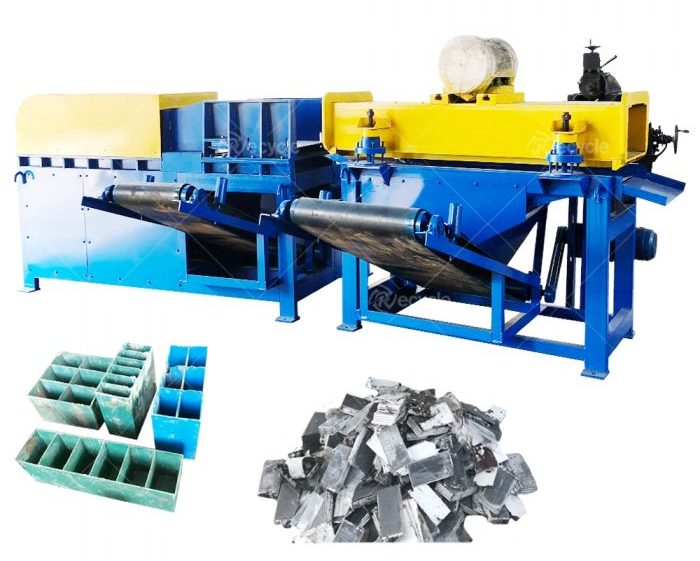
Lead recovery is generally the main economic objective of lead-acid battery recycling. The crushing and separation stage prepares lead-containing fractions for subsequent metallurgical treatment. A recycling line can therefore serve as the front-end system for facilities that continue with additional refining or smelting processes. Mechanical processing alone does not replace these downstream operations, but it can significantly improve feed preparation and material separation.
When selecting lead-acid battery scrap recycling equipment, capacity should be the first consideration. A small recycling facility may require a compact processing system, while large battery recycling plants need continuous feeding, larger crushers, conveyors, separators, and automated control systems. Matching the machine capacity with the actual quantity of scrap batteries helps prevent unnecessary investment or production bottlenecks.
Material condition is another important factor. Whole automotive batteries, broken battery cases, and mixed battery scrap may require different feeding and crushing solutions. Before choosing equipment, recyclers should provide information about battery dimensions, daily processing volume, material composition, and the required output quality.
Safety and environmental control are equally important. Lead-acid batteries can contain corrosive electrolyte and lead-bearing materials, so recycling facilities need appropriate containment, dust control, wastewater management, and worker protection measures. Equipment selection should therefore be considered as part of the complete plant design rather than as an isolated machine purchase.
A well-designed battery recycling system can turn a difficult waste stream into several recoverable material fractions. By combining crushing, conveying, screening, separation, and appropriate downstream treatment, recyclers can improve material recovery while reducing the amount of waste requiring disposal.
For companies processing large quantities of used batteries, investing in suitable lead-acid battery scrap recycling equipment is not simply a way to reduce waste. It provides a structured method for recovering lead and plastics and creates a more consistent feedstock for subsequent recycling processes.