
More News
Pulp Separation Plant for Tetra Pak
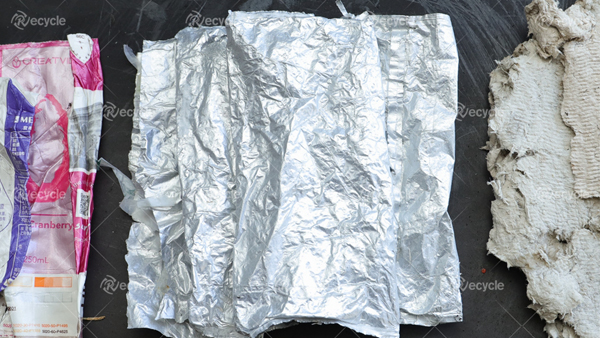
For recycling companies, Tetra Pak waste has long been considered a difficult material. Unlike single-material paper or plastic, beverage cartons combine paper fiber, plastic layers, and aluminum. From a customer’s point of view, the biggest concern is not whether Tetra Pak can be recycled in theory, but whether it can be processed efficiently without creating new operational problems.
Why Tetra Pak Is a Problem Material for Recyclers
Customers dealing with post-consumer carton waste often face the same frustrations:
Fiber does not separate cleanly
Plastic and aluminum remain mixed
Excessive water usage
Inconsistent output quality
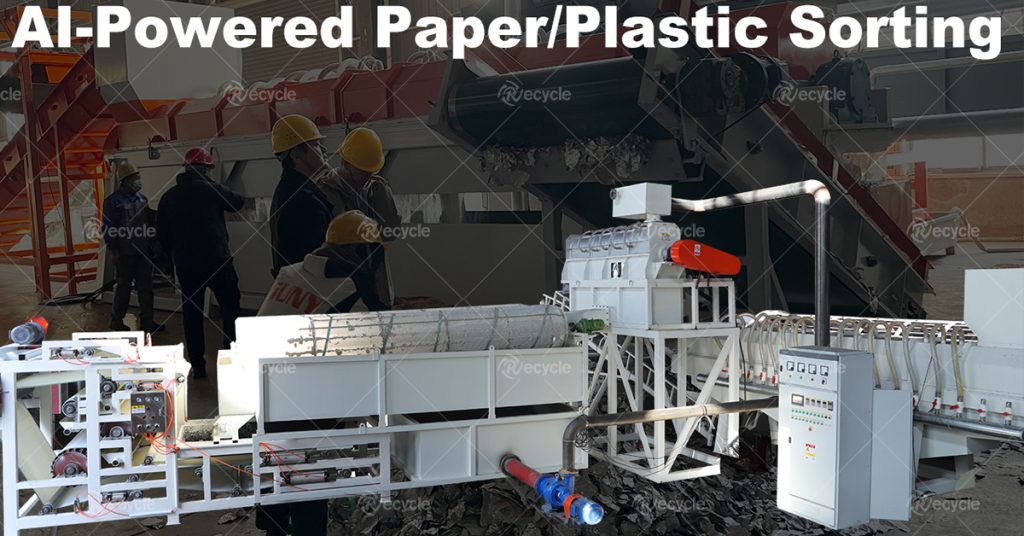
Without dedicated separation equipment, Tetra Pak waste quickly turns into low-value residue instead of a profitable feedstock.
Purpose-Built Separation Instead of Improvised Solutions
From a customer perspective, using general pulpers or modified paper equipment rarely works well with composite cartons.
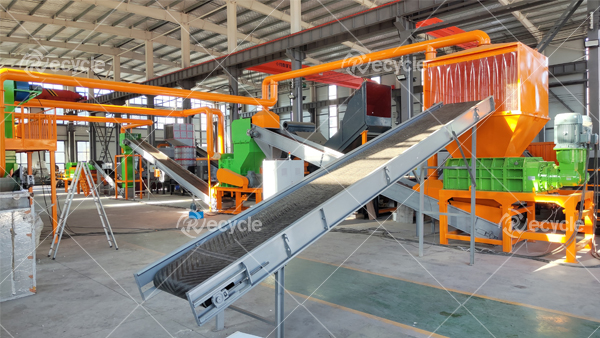
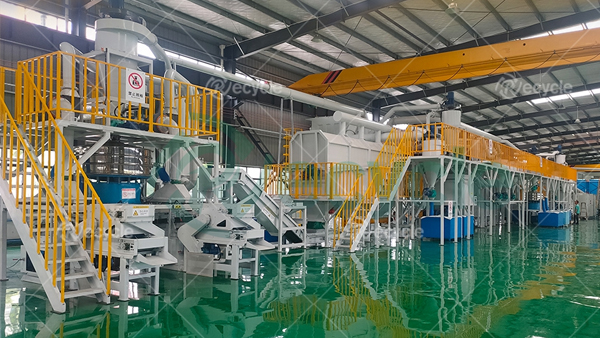
A professional pulp separation plant for Tetra Pak is designed from the ground up to:Professional plants are designed with:
Anti-wrapping rotor structures
Optimized screening sections
Smooth internal material flow
Customer value:
Fewer shutdowns, more predictable production schedules, and higher daily throughput.
Suitable for Both Post-Consumer and Industrial Waste
Customers rarely process only one type of carton waste.
A well-designed pulp separation plant can handle:
Household beverage cartons
Industrial packaging offcuts
Mixed liquid food packaging
Recovered pulp enters the market as a usable raw material instead of low-grade residue.
A pulp separation plant for Tetra Pak is not just about technical separation—it is about operational confidence. Customers gain predictable output, manageable costs, and a clear path to monetizing complex packaging waste.
For recycling businesses looking to expand beyond traditional materials, this plant provides a realistic and controllable entry point into composite packaging recycling.