
Pyrolytic vs. Mechanical Solar Panel Recycling Plant
With millions of metric tons of first-generation photovoltaic (PV) modules reaching end-of-life, commercial solar panel recycling has transitioned from an environmental obligation into a high-margin industrial opportunity. However, investors planning a solar panel recycling plant face a pivotal technology decision: pyrolytic (thermal) delamination or purely mechanical separation?
Understanding how each solar panel recycling process affects capital expenditure (CAPEX), operating costs, recovered material value, and environmental permitting is essential to answering the ultimate question: is solar panel recycling profitable?
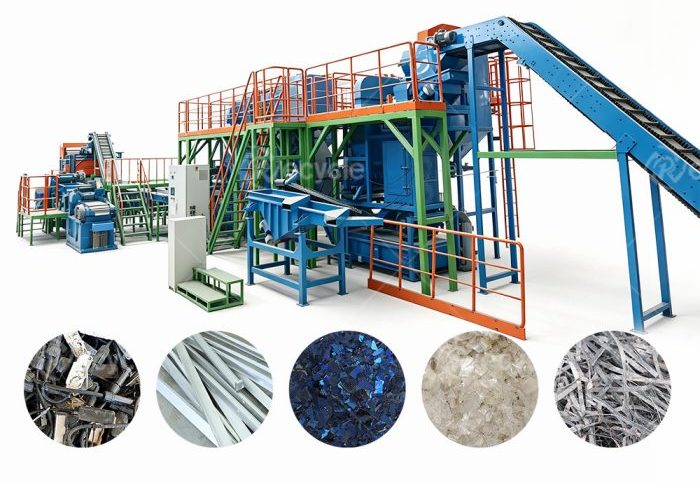
How the Two Processes Work
A standard crystalline silicon solar panel consists of roughly 75% tempered glass, 10% aluminum frame, 10% polymer backsheet/EVA encapsulant, 4% silicon cells, and 1% copper/silver. Separating the stubborn EVA glue that bonds the glass to the silicon wafer is the core engineering challenge.
-
Pyrolytic Solar Panel Recycling: After removing the aluminum frame and junction box, panels enter an oxygen-free pyrolysis furnace (450°C–550°C). The heat thermally decomposes the EVA and polymer backsheet into gas/oil, leaving clean glass and intact silicon wafers ready for chemical silver extraction.
-
Mechanical Solar Panel Recycling: After frame and junction box removal, a solar panel recycling machine uses precision hot-knife or mechanical glass delamination, followed by multi-stage crushing, air classification, and high-voltage electrostatic separation to sort glass cullet, copper, silicon powder, and plastics—without combustion.
Evaluating Solar Panel Recycling Cost and Profitability
The solar panel recycling cost per ton depends heavily on energy consumption and emission compliance. While pyrolysis produces slightly cleaner silicon fractions suitable for hydrometallurgical silver refining, burning fluorinated backsheets (like Tedlar/PVDF) generates toxic hydrogen fluoride (HF) gas. Scrubbing these emissions significantly increases both equipment and maintenance expenses.
In contrast, a modern mechanical solar panel recycling machine keeps operating costs low and avoids thermal emission permits. Revenue is generated from two streams:
-
Gate Fees (Tipping Fees): Solar farm developers and EPC contractors pay $15–$30+ per panel for certified recycling disposal.
-
Commodity Sales: Recovered aluminum frames, tempered glass cullet, copper ribbons, and silicon-silver powder provide steady secondary income.
Which System Should You Choose?
-
Choose a Mechanical Plant if you want fast permitting, lower upfront CAPEX, modular capacity (500–2,000 kg/h), and the quickest ROI.
-
Choose a Pyrolytic or Hybrid Plant if you have guaranteed access to 10,000+ tons/year of uniform PV waste and plan to integrate downstream chemical silver/silicon refining.
Frequently Asked Questions (FAQ)
Is solar panel recycling profitable right now? Yes. When combining commercial tipping fees with commodity recovery (aluminum, glass, copper, and silicon powder), a well-run mechanical plant typically achieves positive cash flow within its first year of operation.
Does mechanical recycling create toxic fumes? No. Because mechanical separation operates at ambient temperatures (or localized surface heating for glass stripping), it does not burn EVA or fluorinated backsheets, requiring only standard pulse-jet dust collection.
Planning a commercial solar panel recycling facility? Request our detailed ROI spreadsheet and turnkey mechanical line quotation tailored to your target throughput.