
Value Of Laminated Glass Recycling Systems
Laminated glass is everywhere—in car windshields, construction façades, architectural interiors, and safety windows. Its durability comes from the PVB (polyvinyl butyral) or EVA film, which is sandwiched tightly between two layers of glass. While this makes laminated glass extremely safe for consumers, it also makes the recycling process far more complex than standard glass. Traditional methods fail to efficiently separate glass from plastic film, resulting in wasted material, higher costs, and increased landfill waste.
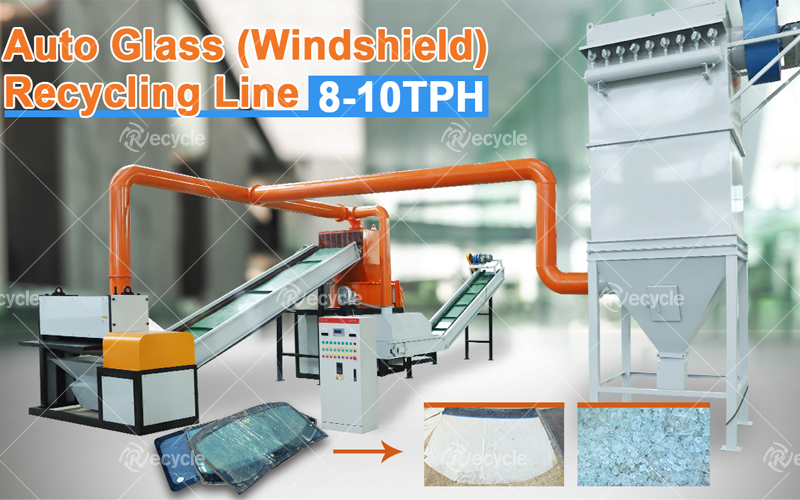
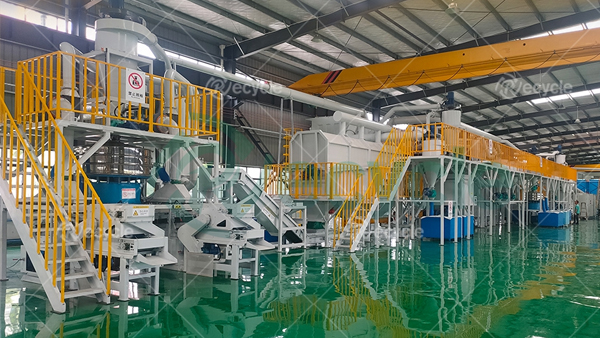
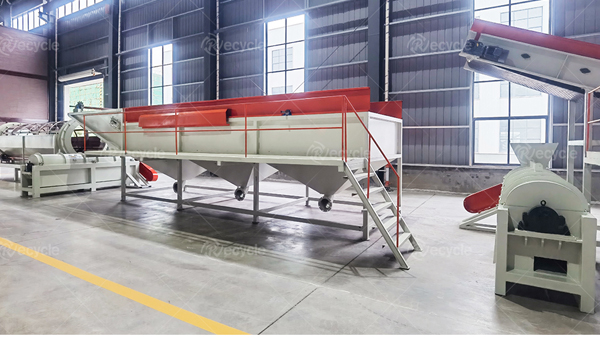
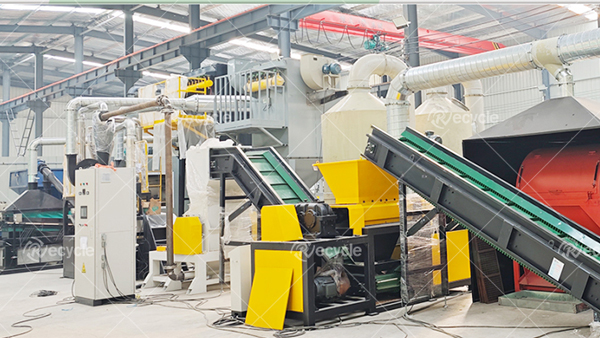
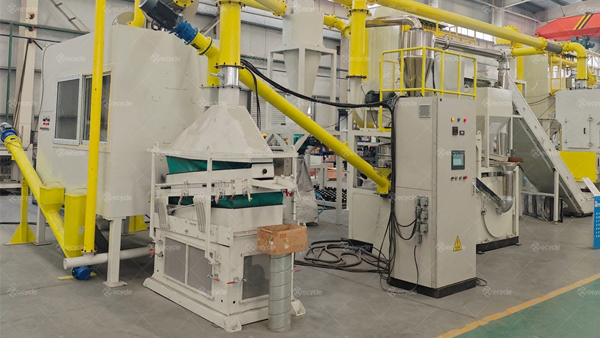
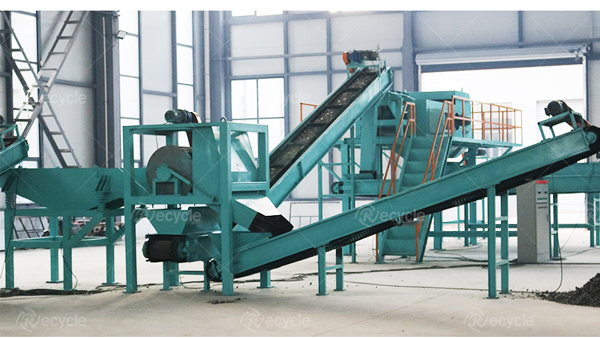
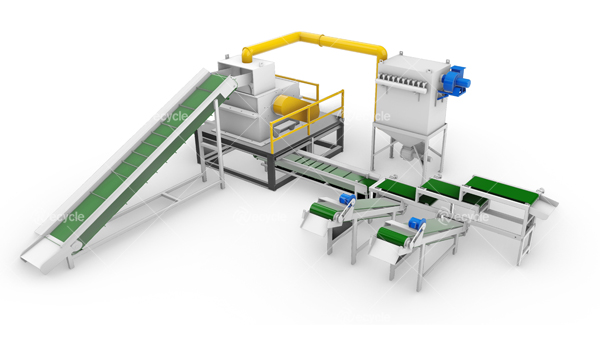
Only with a complete process flow can clean glass cullet and reusable PVB film be recovered. A high-efficiency Laminated Glass Recycling System typically includes:
1. Pre-Crushing and Size Reduction: Large windshield panels and construction glass sheets are first fed into a heavy-duty shredder.
2. Granulation and Film Liberation: The pre-crushed material moves to a granulator where further size reduction occurs. Impact friction loosens the bond between glass and PVB. This stage is critical for optimizing purity levels.
3. Glass–Film Separation: High-quality laminated glass recycling systems can achieve more than 99% separation purity.
4. PVB Recovery and Drying: Recovered PVB can be washed, dried, and pelletized. Recycling PVB significantly reduces the need for virgin raw materials.
A laminated glass recycling system offers significant advantages:
- Reduces landfill waste
- Cuts CO₂ output from virgin glass production
- Lowers manufacturing costs through material reuse
- Creates profitable recycled product streams
For recycling plants, this system is one of the fastest-growing investment categories.