
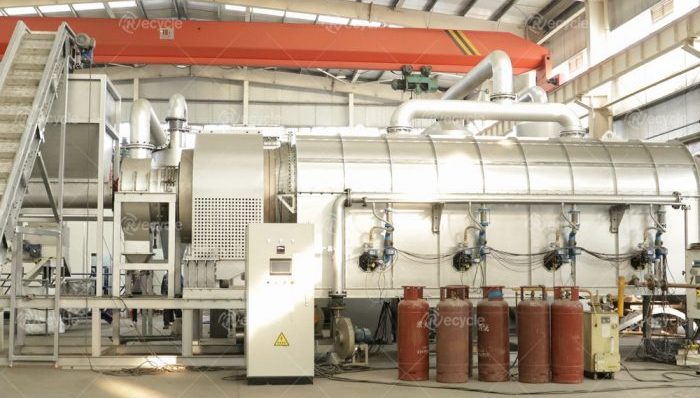
Working Process of Carbonization Furnace Paint Removal Machine
The efficiency of this technology lies in its well-structured thermal process:
- Feeding & Sealing: Scrap aluminum is fed into a sealed chamber to create a low-oxygen environment
- Heating Stage: The furnace gradually reaches the pyrolysis temperature
- Paint Decomposition: Coatings break down into gas and carbon residue
- Gas Recycling: Generated combustible gases can be reused as fuel
- Cooling & Discharge: Clean aluminum is discharged for further processing
This dry distillation process ensures complete paint removal without damaging the metal structure, making it far superior to chemical stripping methods.
Real Profit Logic: Where the Money Comes From
From a business perspective, the profit in aluminum recycling does not come from volume alone—it comes from quality control.
Let’s break it down:
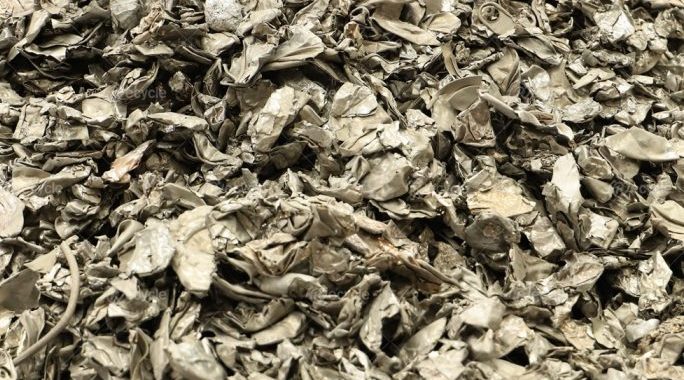
Clean aluminum (after paint removal) → higher selling price
Lower impurity → less deduction during trading
Reduced smelting loss → more recoverable metal
Faster processing → higher plant efficiency
In practical operations, proper pretreatment (such as carbonization) can increase net profit by $100–300 per ton, depending on material condition and local market pricing.
Why Carbonization Furnace Is Becoming Standard Equipment
As recycling standards become stricter and competition increases, buyers are no longer satisfied with low-grade scrap. High-purity recycled aluminum is now the industry standard, especially for large smelters and export markets.
Carbonization furnace systems are increasingly integrated into:
Aluminum can be recycled in plants
Scrap metal processing lines
E-waste recycling systems
Aluminum profile recovery lines
Their ability to deliver high efficiency, low pollution, and stable output quality makes them a key investment for modern recycling facilities.