
More News

How to Recycle Aluminium Medical Foil from Pharmaceutical Packaging
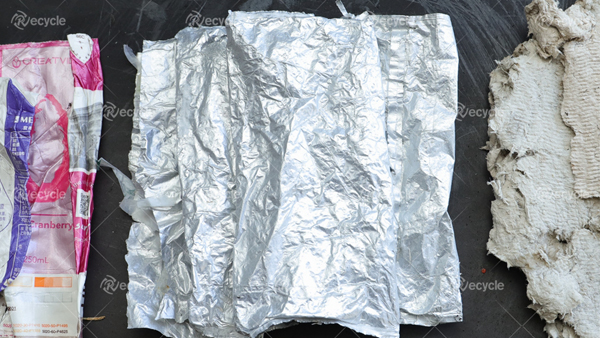
Pharmaceutical packaging generates a special type of aluminum waste that is easy to overlook. Blister packs, medicine packaging, foil rolls, rejected packages, and production trimmings can contain a considerable amount of aluminum. However, aluminum is often bonded to other materials, making direct recycling more complicated than processing ordinary clean metal scrap.
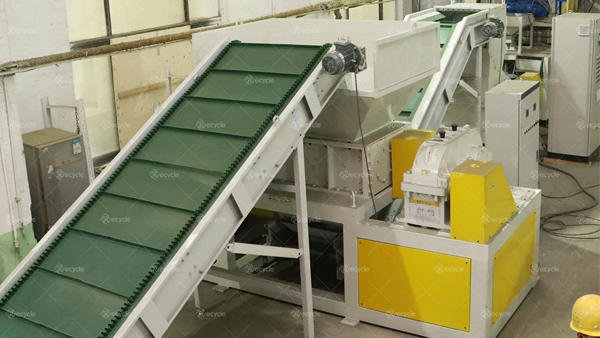
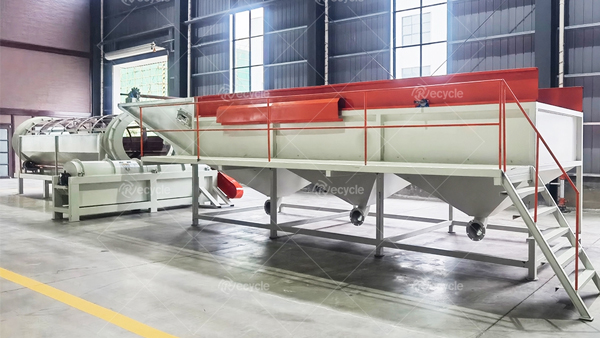
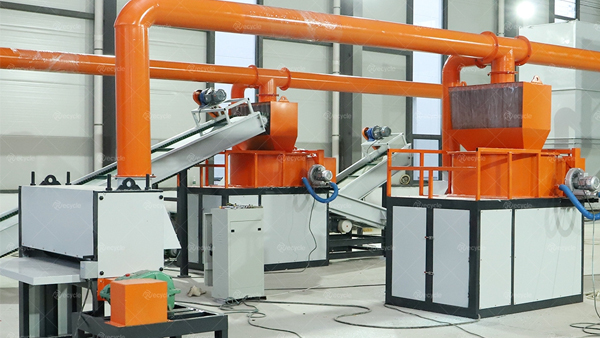
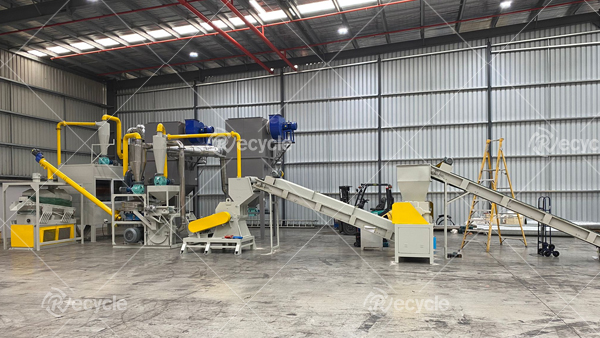
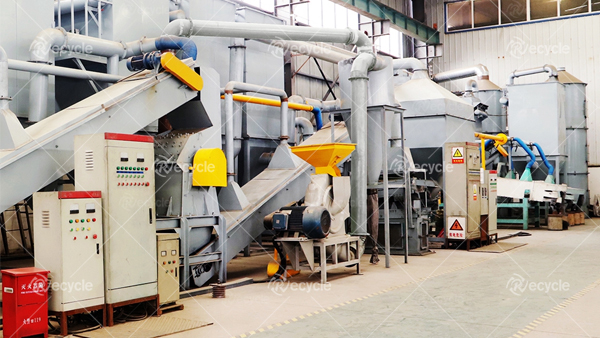
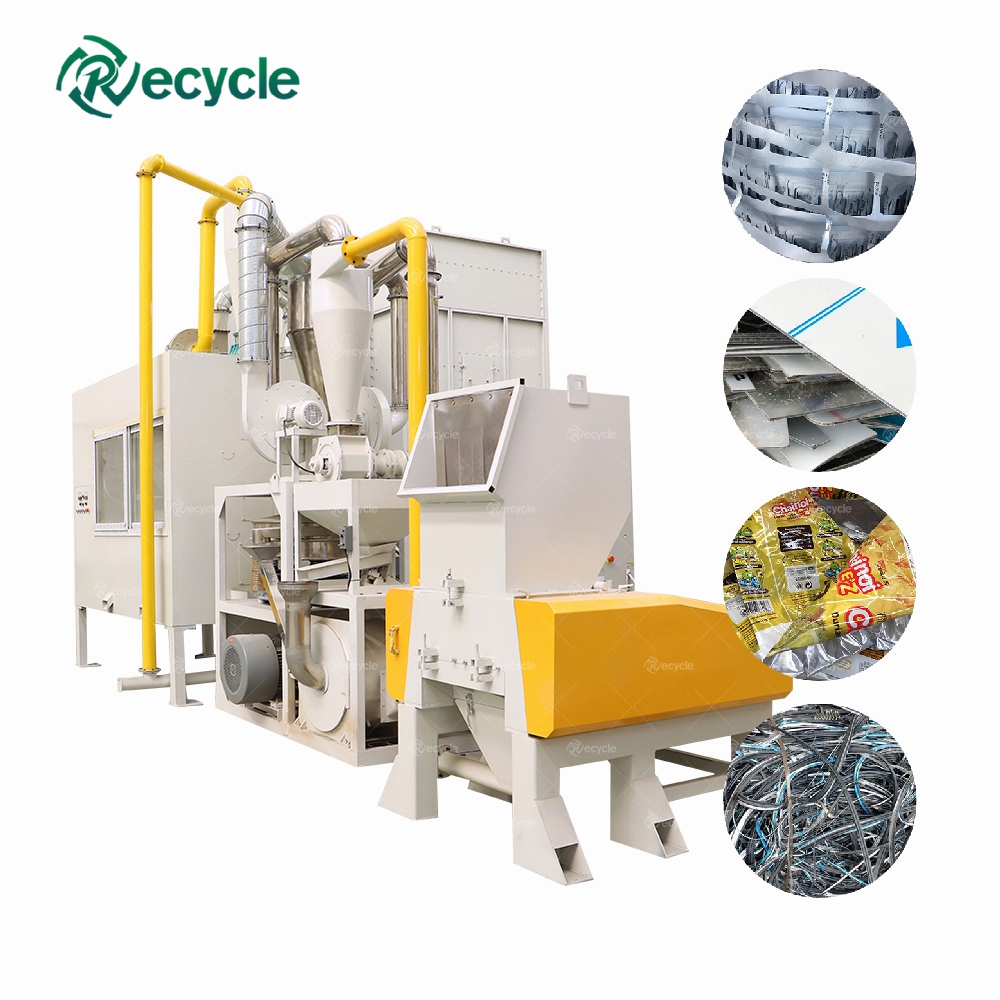
An Aluminium Medical Foil Recycling Machine provides a means of preparing this material for recovery. Rather than treating pharmaceutical packaging waste as a single material, the recycling process focuses on reducing its size and separating the aluminum from unwanted components wherever practical.
Where Does Medical Aluminum Foil Waste Come From?
There are several common sources of this waste stream.
Pharmaceutical manufacturers generate foil offcuts during packaging production. Incorrectly printed foil, damaged rolls, production rejects, and trimming residues can also enter the waste stream.
Another source is discarded medicine packaging. Aluminum blister packs commonly combine a thin aluminum layer with plastic or other packaging materials. The exact structure varies between products and manufacturers, so recycling equipment must be selected according to the actual composition.
This distinction is important. Clean aluminum production scrap can usually be processed much more easily than mixed pharmaceutical packaging.
What Makes Pharmaceutical Foil Difficult to Process?
The biggest challenge is not the aluminum itself. It is the combination of materials.
Thin foil is flexible and lightweight. Plastic films can remain attached to the metal, while adhesives and coatings may make separation more difficult. If large pieces are fed directly into unsuitable equipment, the material may bridge inside the hopper or wrap around moving components.
A well-designed recycling system, therefore, begins by controlling the physical characteristics of the feedstock.
Shredding or crushing can reduce large packaging pieces and improve feeding stability. The objective is not simply to make the material smaller. It is to create a more manageable material stream for the separation stages that follow.
From Packaging Waste to Recovered Aluminum
A typical recycling line may contain several stages.
First, the waste is introduced through a controlled feeding system. Oversized pieces can be reduced before entering the main processing stage.
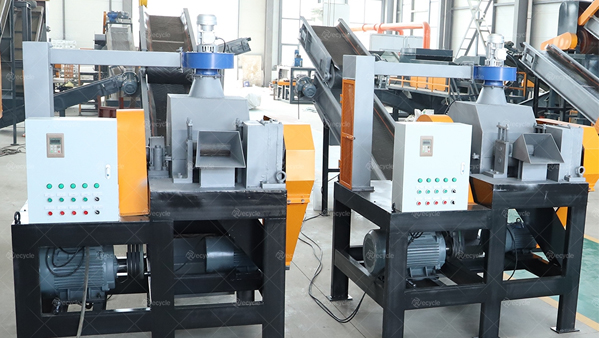
The size-reduction equipment then tears or cuts the material into smaller pieces. The appropriate machine depends on the structure of the packaging. Thin foil with flexible plastic layers may require a different cutting configuration from thicker production scrap.
Once the material has been reduced, screening can be used to control particle size. This helps prevent oversized pieces from moving forward and allows the processing line to operate more consistently.
The next stage depends on the composition of the waste. Air separation can remove some lightweight materials, while magnetic equipment can extract ferrous contaminants. Other separation methods may be added where necessary.
The final aluminum-rich fraction can then be collected and transferred to downstream recycling processes.
How to Improve Recovery Efficiency
The quality of the incoming material has a major influence on the final result. If the feed contains excessive moisture, foreign materials, or oversized objects, equipment performance may decline.
Consistent feeding is equally important. A recycling machine should not be overloaded simply to achieve a higher nominal capacity. Stable feeding allows the cutting, crushing, screening, and separation stages to work under more predictable conditions.
Maintenance should also be considered during equipment selection. Thin foil can accumulate around moving components if the machine is not appropriately designed. Easy-access inspection points, replaceable wear parts, and a practical cleaning procedure can make a significant difference during long-term operation.