
Why Windshield Recycling Doesn’t Follow Normal Glass Logic
At first glance, a windshield looks like ordinary glass. That assumption is exactly what makes recycling difficult.
Unlike bottles or flat glass, windshields are built to resist breaking. The plastic interlayer holds fragments together even under impact. This safety feature becomes a problem when trying to separate materials later.
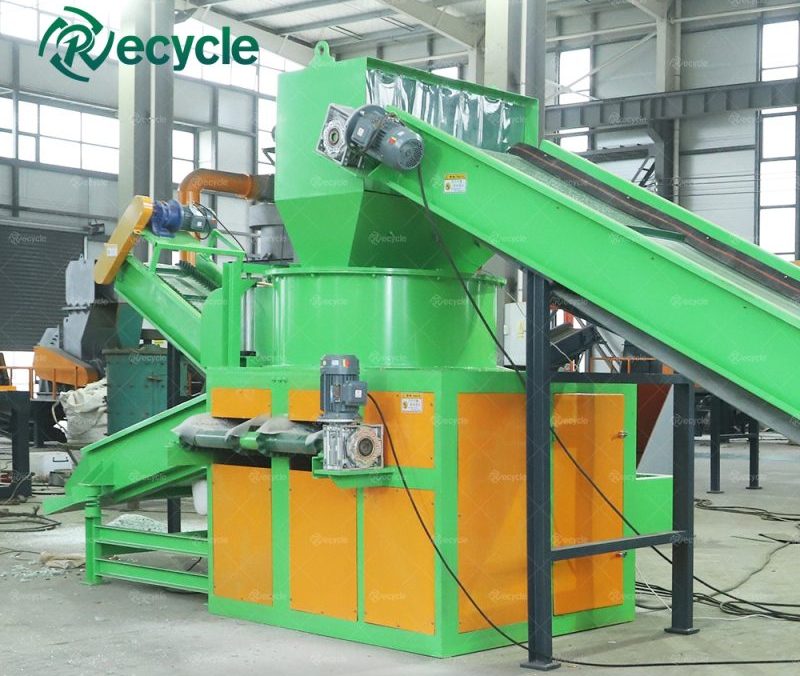
If you treat a windshield like standard glass and crush it, you don’t get clean cullet. You get a sticky mixture where glass particles cling to plastic film.
That’s why windshield recycling plants approach it differently.
Instead of focusing on breaking strength, the goal is to weaken the bond between layers. This can involve controlled mechanical stress, temperature changes, or a combination of both.
Only after that bond is disrupted does size reduction make sense.
The sequence matters. Reverse it, and recovery drops sharply.
So the real “step-by-step process” isn’t about machines—it’s about respecting how the material was originally engineered.