
More News
Copper Aluminum AC Radiator Separator
Used air-conditioning radiators contain valuable copper and aluminum, but these metals are normally combined into a compact structure that makes manual separation slow and labor-intensive. For recycling companies handling large volumes of discarded AC radiators, an efficient separation process can significantly improve material recovery and reduce processing costs. A Copper Aluminum AC Radiator Separator is designed specifically for this purpose, providing a practical solution for separating mixed copper and aluminum from scrap heat exchangers.
Why AC Radiators Need Specialized Recycling Equipment
Air-conditioning condensers and evaporators are commonly manufactured with copper tubes, aluminum fins, steel supports, and other attached components. After an air-conditioning unit reaches the end of its service life, these materials need to be separated before they can enter different recycling streams.
Manual dismantling may work for a small quantity of radiators, but it becomes inefficient when processing hundreds or thousands of units. Workers need to remove unwanted attachments, cut the radiator into suitable sections, and separate copper tubes from aluminum fins. The process consumes considerable labor and can produce inconsistent results.
A dedicated radiator separator changes this situation by using mechanical processing to break the connection between different metals while keeping the recovered materials suitable for downstream recycling.
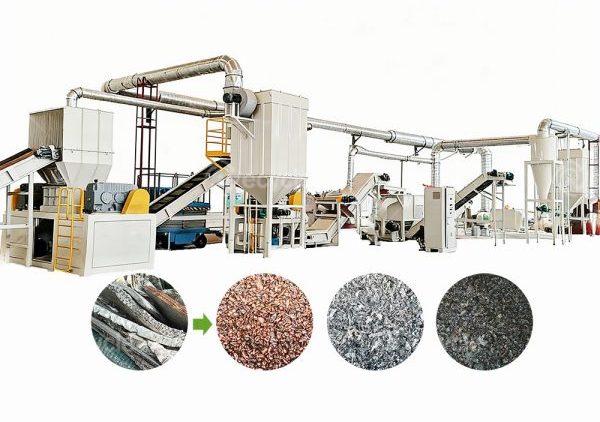
How a Copper-Aluminum AC Radiator Separator Works
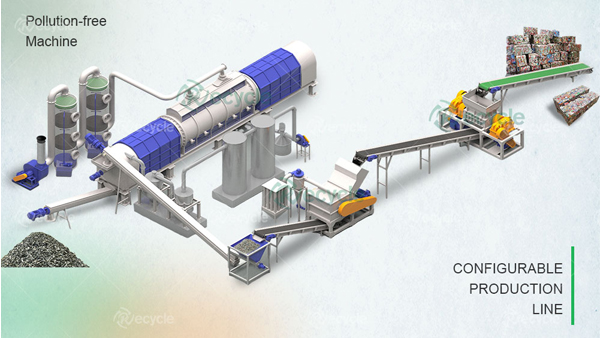
The exact equipment configuration depends on radiator construction and the required output. In a typical recycling process, scrap radiators are first inspected and prepared for feeding. Steel frames, plastic parts, compressors, or other unwanted components may need to be removed before the main separation stage.
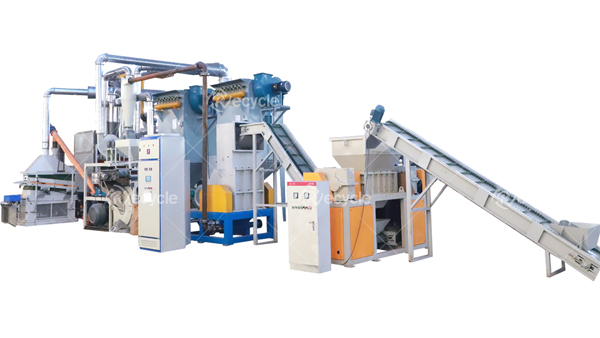
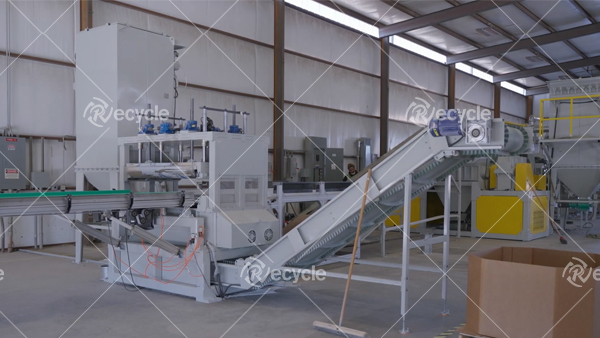
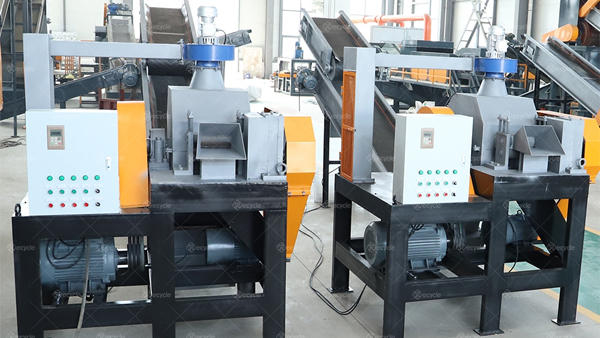
The prepared radiator enters the cutting or crushing section. Mechanical force breaks the physical connection between the copper tubes and aluminum fins. The material is then processed through separation equipment designed to produce relatively clean copper and aluminum fractions.
Particle size and material condition are important factors. If the radiator is processed too aggressively, copper and aluminum may become excessively mixed, making subsequent separation more difficult. For this reason, the processing line should be selected according to the radiator type rather than relying on a one-size-fits-all configuration.
What Materials Can Be Recovered?
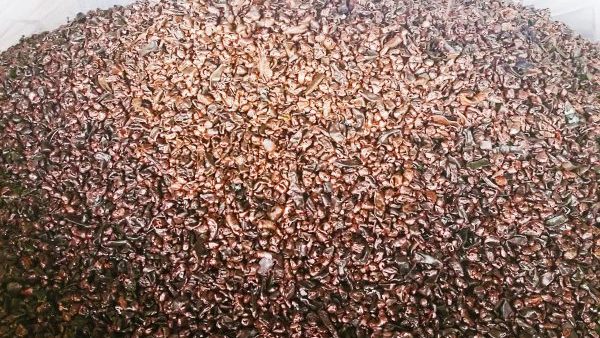
The primary target materials are copper and aluminum. Copper tubes can be collected as a valuable non-ferrous metal fraction, while aluminum fins and related aluminum components can be recovered separately.
Depending on the incoming material, the recycling system may also encounter steel brackets, iron frames, plastics, insulation, and other contaminants. Additional equipment such as magnetic separation or screening can be integrated when the feedstock contains a significant amount of ferrous material or mixed particles.
The result is a cleaner material stream that can be sent to metal processors, smelters, or other downstream recycling operations.
Advantages of Mechanical Radiator Separation
One of the main advantages of mechanical separation is processing consistency. Instead of depending entirely on manual labor, the machine provides a repeatable method for handling large quantities of scrap radiators.
Another benefit is improved labor efficiency. Operators can concentrate on feeding, inspection, and material handling rather than performing every separation step manually. Mechanical processing can also help recyclers create more standardized output materials. Cleaner copper and aluminum fractions are easier to store, transport, weigh, and sell separately. For recycling companies, the real benefit is not simply faster processing. It is the ability to build a more predictable workflow from incoming scrap to recovered metals.