
More News
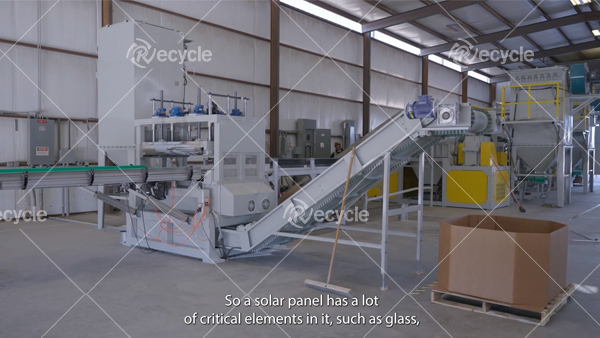
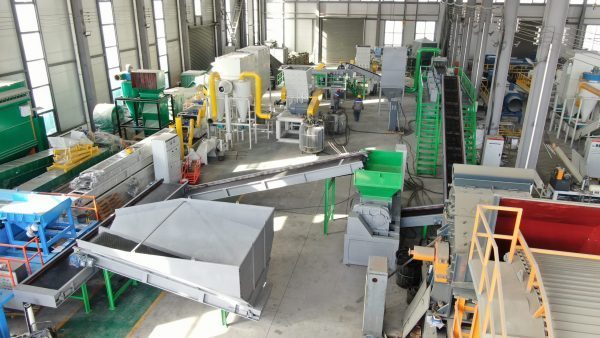
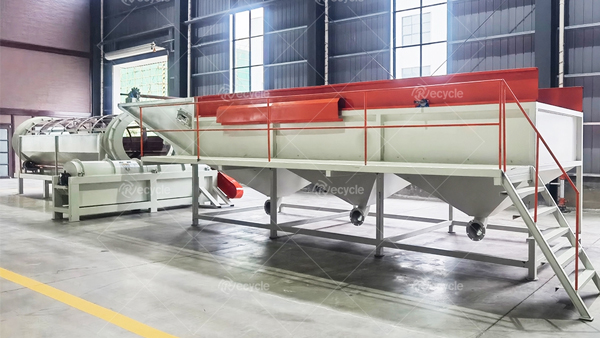
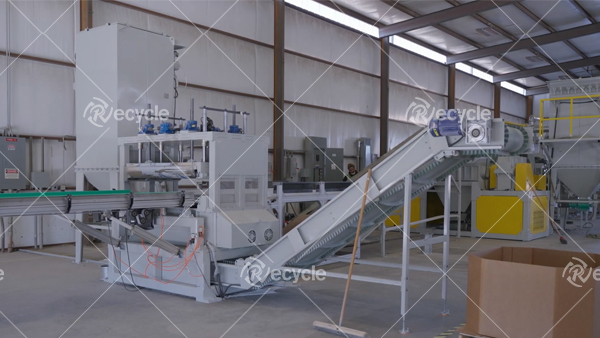
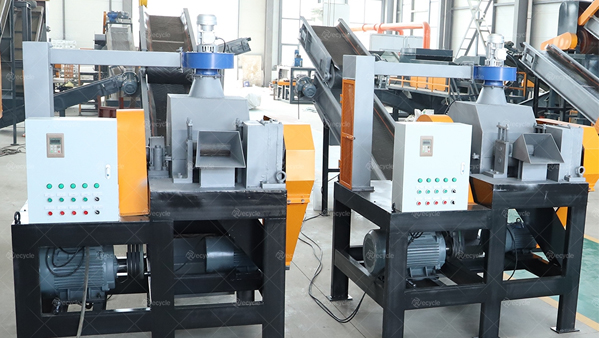
PCB Crushing and Grinding Equipment
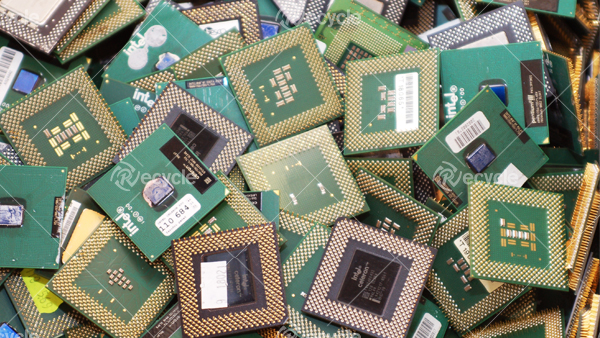
A properly designed PCB crushing and grinding system can turn irregular circuit boards into a more uniform material that is easier to classify and separate. By controlling particle size during the process, recyclers can improve downstream separation efficiency while reducing the amount of material that would otherwise be lost.
How a PCB Crushing and Grinding System Works
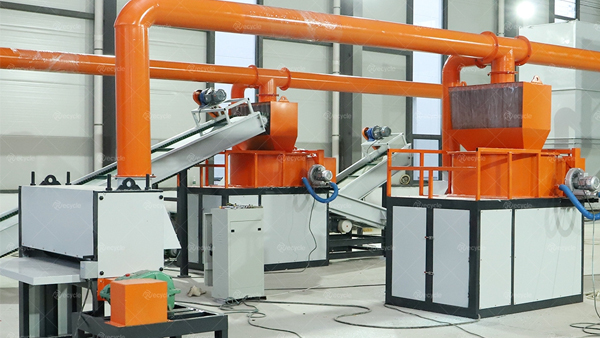
A typical recycling process begins with feeding prepared circuit boards into a primary crusher. The crusher breaks the boards into smaller pieces and helps release components from the original PCB structure.
The crushed material can then enter a secondary size-reduction stage. Depending on the characteristics of the feedstock and the required output, this stage may use a hammer mill, grinder or other specialized grinding equipment.
After grinding, the material is usually classified according to particle size. Oversized particles can be returned for additional processing, while properly sized material proceeds to separation.
This closed-loop approach is useful when the incoming PCB waste varies significantly in thickness or composition. Instead of forcing every piece through the same processing conditions, the system can progressively reduce the material until it reaches the required specification.
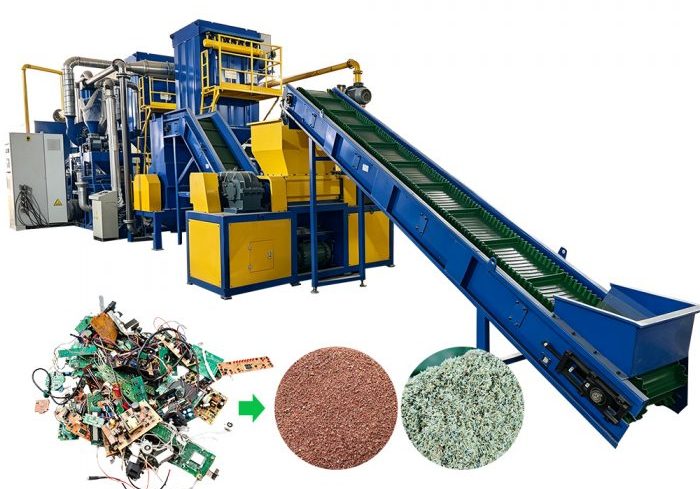
Choosing the Right PCB Grinding Equipment
There is no universal grinding machine for every type of circuit board. Several factors should be evaluated before selecting equipment.
The first is the type of PCB being processed. Boards from computers and industrial electronics can behave differently from small consumer electronic boards.
The second factor is the desired capacity. A small recycling workshop may require a compact system, while a commercial recycling plant may need continuous feeding and multiple processing stages.
Particle size is another important consideration. If the downstream separator requires a specific size range, the grinding system should be designed to meet that requirement.
Material moisture, contamination, attached components, and the desired degree of metal liberation should also be considered during system design.
Building a Complete PCB Recycling Line
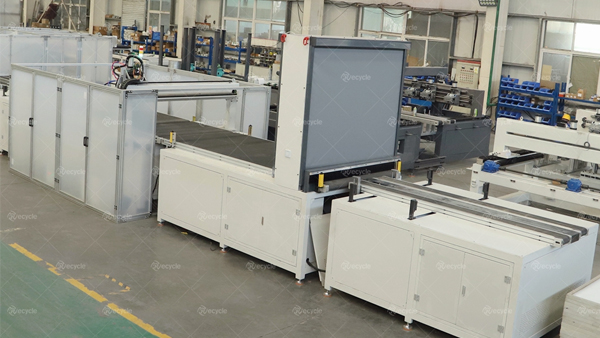
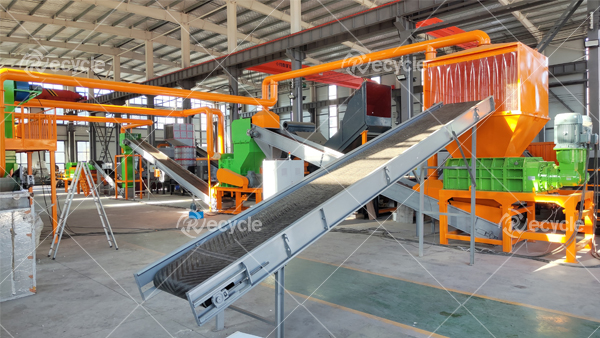
A crushing and grinding machine is only one part of a complete PCB recycling system. For commercial operations, the equipment is normally integrated with feeding, size reduction, classification, and separation stages.
A typical process may include:
PCB feeding → primary crushing → secondary crushing → grinding → screening → magnetic separation → air or other separation → non-ferrous metal recovery**
The configuration can be modified according to the customer’s raw materials and production requirements.
This approach is more practical than selecting individual machines without considering how they work together. The goal is to create a stable material flow from waste circuit boards to reusable metal and non-metal fractions.