
How Grinding Equipment Transforms Solar Panel Recycling Efficiency
The rapid growth of photovoltaic installations worldwide has created a parallel challenge: how to efficiently recycle end-of-life solar panels. Among all processing stages, grinding equipment plays a decisive role in determining the overall recovery rate and material purity.
Grinding equipment in solar panel recycling is primarily designed to reduce panel components into controlled particle sizes. After preliminary dismantling and thermal delamination, the remaining mixture of silicon, glass residues, metals, and polymers requires precise size reduction. This is where advanced grinding systems come into play.
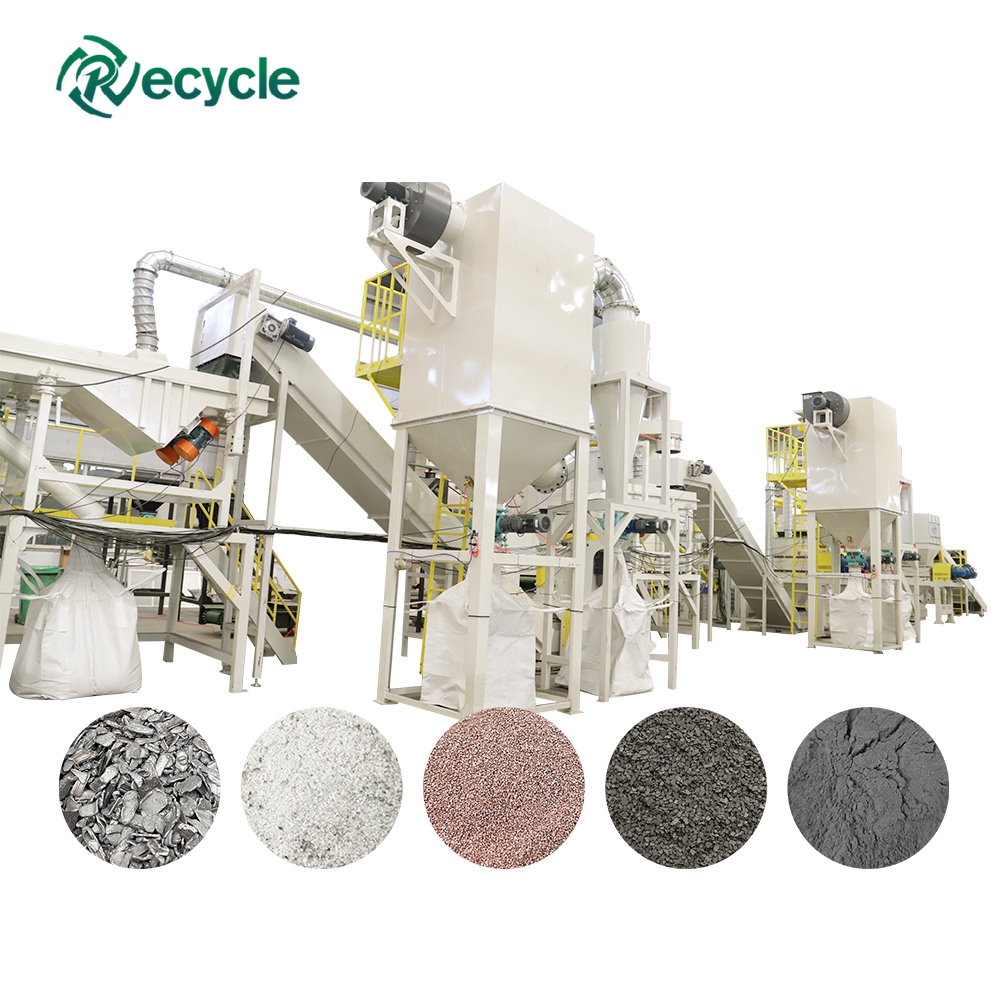
Modern grinding machines are engineered to handle the complex composition of photovoltaic modules. Unlike traditional crushers, they focus not only on size reduction but also on preserving valuable materials such as silicon powder and conductive metals. Controlled grinding minimizes over-pulverization, which can otherwise lead to material loss and reduced recovery value.
Another key advantage of high-performance grinding equipment is its integration with downstream separation systems. Uniform particle size distribution significantly improves the efficiency of electrostatic and air separation processes. In other words, better grinding leads to cleaner sorting.
Ultimately, grinding equipment is not just a mechanical step—it is the bridge between dismantling and material recovery. Its performance directly influences the purity, recovery rate, and economic viability of solar panel recycling operations.