
How to Set Up a Battery Recycling Plant From Scratch
The global transition toward electric vehicles, renewable energy storage, and portable electronics has created an unprecedented demand for battery recycling. While many investors see the opportunity, few understand what it actually takes to build a successful battery recycling plant.
The first step is identifying which battery types will be processed. Lithium-ion batteries, lead-acid batteries, nickel-metal hydride batteries, and consumer batteries all require different recycling technologies. A plant designed for EV batteries will look very different from a facility handling household battery waste.
Once the feedstock is defined, the next challenge is location selection.
Battery recycling involves environmental compliance, material storage, and safety management. Investors should choose industrial zones with sufficient power supply, transportation access, and regulatory approval. Proximity to battery collection networks can significantly reduce logistics costs over time.
Equipment selection is the next critical stage.
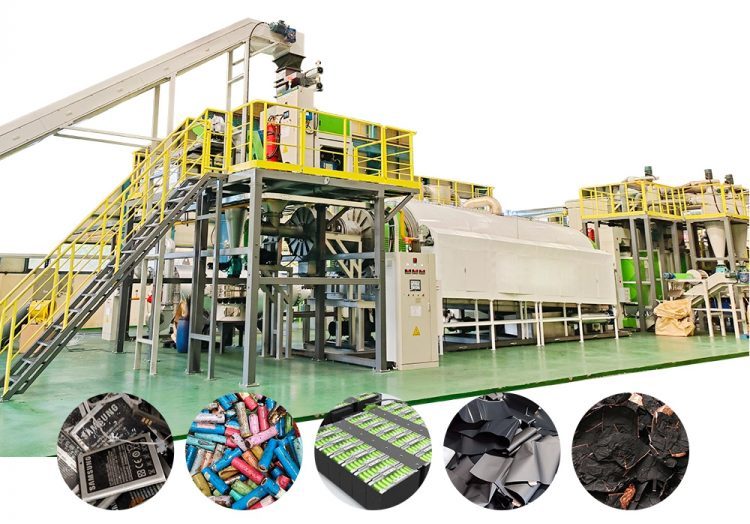
A modern battery recycling plant typically includes:
Battery discharge systems
Dismantling equipment
Shredding machines
Crushing systems
Magnetic separators
Eddy current separators
Airflow separation systems
Dust collection units
For lithium battery recycling, additional technologies may be required to recover black mass, copper, aluminum, and other valuable materials.
One common mistake is focusing solely on processing capacity.
Many successful recyclers prioritize recovery efficiency instead. A plant processing fewer tons but recovering higher-value materials often generates stronger margins than a high-capacity facility with poor recovery performance.
Automation is becoming increasingly important as well.
Battery recycling involves potentially hazardous materials. Automated feeding, discharge, and separation systems improve worker safety while reducing labor dependency.
Another factor often overlooked is downstream market access.
Recovered copper, aluminum, steel, black mass, and other materials need reliable buyers. Building relationships with smelters, refiners, and battery manufacturers before construction begins can improve project stability.
The battery recycling industry is growing rapidly, but success depends on more than buying equipment. It requires careful planning, efficient process design, and a long-term strategy for material recovery and sales.