
Why Recycling Milk Cartons Is More Challenging Than Most People Think
A typical beverage carton contains multiple layers of paper fiber, polyethylene plastic, and sometimes aluminum foil. These layers are bonded together to protect food products and extend shelf life. While this design works well for packaging, it creates significant recycling challenges.
Traditional paper recycling systems struggle to separate these materials effectively. Simply shredding cartons does not create usable recycled fiber. This is why specialized recycling lines for paper cartons and milk cartons are becoming increasingly important. The recycling process usually begins with size reduction and pulping. Water and mechanical agitation help release paper fibers from plastic and aluminum layers.
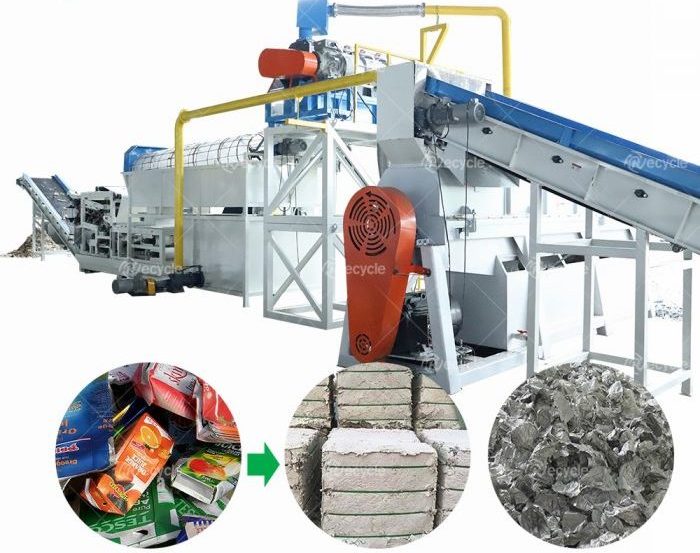
Once liberated, fibers can be recovered and reused in the production of paper products. The remaining plastic and aluminum fractions can also be processed further, creating additional recovery value. One of the biggest advantages of a dedicated carton recycling line is fiber recovery efficiency. Paper fibers represent the largest material fraction inside beverage cartons. Maximizing fiber recovery improves both environmental benefits and economic returns.
Another important factor is automation.
Large-scale recycling plants process thousands of tons of cartons annually. Automated feeding, pulping, screening, and separation systems significantly reduce labor requirements. As sustainability targets continue tightening worldwide, demand for carton recycling infrastructure is expected to grow rapidly. For recycling companies seeking new business opportunities, paper carton recycling offers a combination of environmental impact and long-term market potential.