
Pulp Molding & Paper-Plastic Separator: Efficient Recovery for Laminated Packaging
Multi-layer laminated packaging—such as aseptic Tetra Pak cartons, PE-coated paper cups, and release liner waste—combines high-grade virgin wood fiber with polyethylene (PE) film and aluminum foil. Standard pulpers fail to break these bonds cleanly, either leaving plastic fragments in the pulp or losing valuable fiber to landfills. A dedicated paper-plastic separator solves this challenge through mechanical friction and hydraulic separation, achieving over 98% fiber recovery without harsh chemicals.
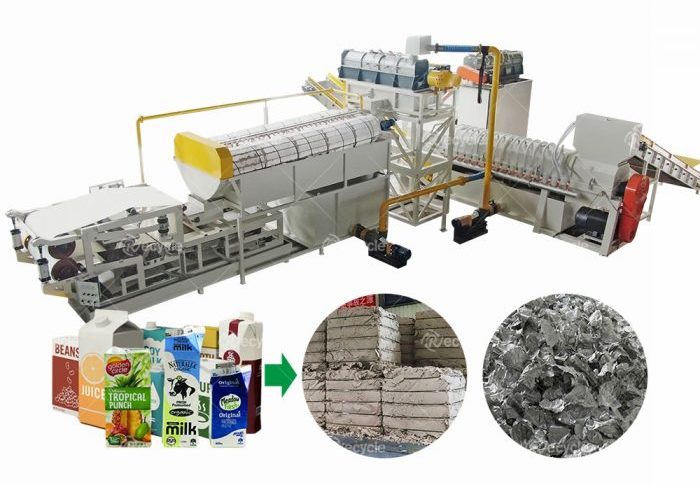
How Mechanical Paper-Plastic Separation Technology Works
Unlike thermal incineration or chemical dissolution, modern wet-process paper-plastic separation systems preserve the original length of cellulose fibers while keeping plastic films intact for pelletizing:
-
Continuous Friction & Pulping: Laminated cartons and PE-coated scraps are fed into a specialized rotor chamber with water. High-speed mechanical friction gently swells and detaches the paper fibers from the plastic substrate without shredding the plastic into micro-contaminants.
-
Multi-Stage Screening & Dewatering: Once separated, clean paper pulp passes through fine perforated screen plates directly into a pulp storage chest or pulp molding production line, while washed plastic flakes and aluminum foil are discharged separately via a screw press.
-
Closed-Loop Water Circulation: Process water is filtered and recycled continuously, minimizing freshwater consumption and eliminating wastewater discharge compliance headaches.
Key Advantages for Paper Mills and Pulp Molding Plants
Integrating a paper-plastic separation line turns low-cost, hard-to-process packaging waste into two distinct revenue streams:
-
High-Strength Recycled Pulp: Because virgin long fibers in liquid packaging board remain undamaged, the recovered pulp is ideal for manufacturing corrugated medium, kraft linerboard, and high-precision molded pulp packaging.
-
Clean, Pellet-Ready Plastic & Aluminum: Separated PE film and aluminum-plastic composites exit the machine with low moisture content (under 15%), ready for direct drying and granulation into commercial plastic pellets.
-
Zero-Chemical Operation: Operating purely on mechanical shear and water pressure eliminates the cost and safety risks of caustic soda or organic solvents.
Operational Tips to Maximize Separation Purity
-
Pre-Screen Heavy Contaminants: Install a coarse trommel or magnetic separator upstream to remove stray metal cans, glass, or stones that could wear down the rotor paddles.
-
Control Feed Consistency: Maintain steady water-to-material ratios (typically around 3% to 5% pulp consistency) so fibers detach completely without clogging the discharge screen.
-
Inspect Rotor Blade Clearance: Check the gap between the rotating vanes and the stationary sieve plate monthly to maintain high separation efficiency and low kWh-per-ton energy draw.
Frequently Asked Questions (FAQ)
Can a paper-plastic separator handle aluminum-lined aseptic cartons like Tetra Pak?
Yes. The mechanical friction process cleanly strips the paperboard layer away from the inner PE and aluminum foil layers. The paper becomes clean pulp, while the PE/aluminum composite can be sold directly to plastic-aluminum smelters or further separated.
Does the separated paper pulp require additional bleaching before pulp molding?
In most industrial packaging applications—such as egg trays, industrial shock-absorbing inserts, and brown cardboard—the recovered pulp can be used directly without bleaching, keeping production costs low.