
More News
PCB Board Recycling and Gold Recovery Machinery
Printed circuit boards are widely used in computers, communication equipment, household electronics, and industrial systems. Although PCBs are relatively small, they contain valuable materials including copper, aluminum, iron, tin, nickel, silver, and small quantities of gold. This makes waste PCB recycling an important resource recovery process.
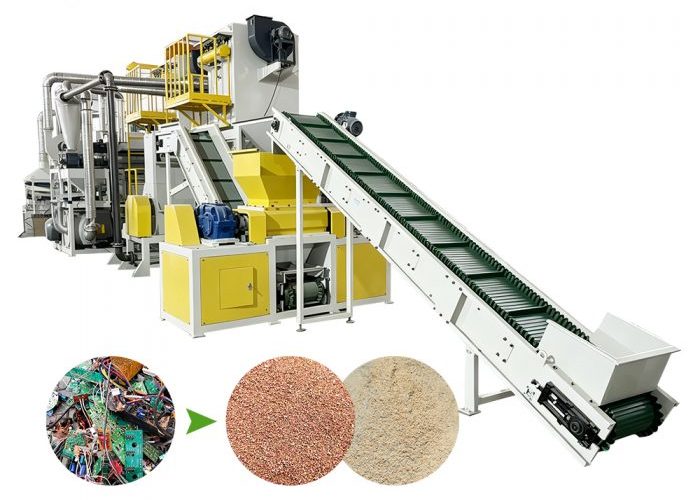
PCB board recycling and gold recovery machinery uses crushing, grinding, and separation technologies to process discarded circuit boards. Instead of manually dismantling every board, an integrated recycling system can handle larger quantities while producing more consistent material streams.
How PCB Recycling Machinery Works
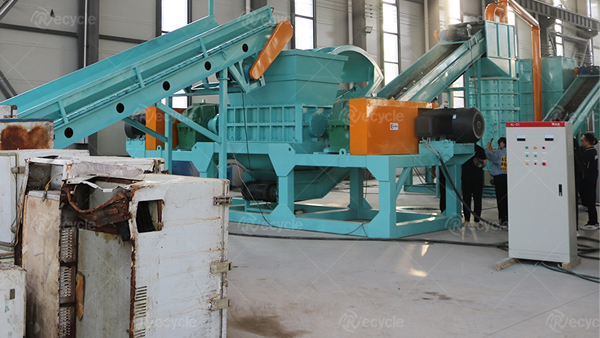
A typical PCB recycling line begins with a primary crusher or shredder. Large circuit boards are reduced into smaller pieces before entering a secondary crushing or grinding stage.
After size reduction, the material contains a mixture of metals, fiberglass, resin, and electronic components. Different separation technologies are then used to recover the valuable fractions.
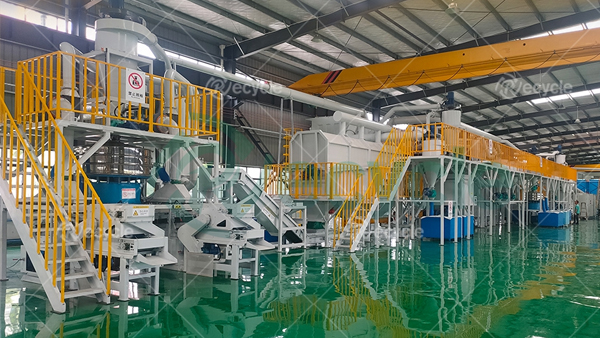
Magnetic separation can remove ferrous materials, while air separation helps separate lightweight materials from heavier particles. Electrostatic separation is particularly useful for separating conductive metal particles from non-conductive materials such as fiberglass and resin.
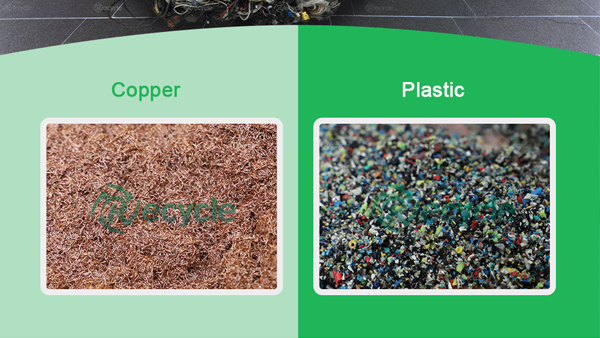
The result is a concentrated metal-rich fraction that can contain copper and precious-metal-bearing materials.
The Role of Gold Recovery
Gold is commonly found on PCB connectors, contact surfaces, and certain electronic components because of its excellent conductivity and corrosion resistance. However, mechanical PCB recycling equipment does not normally produce pure gold directly.
Instead, the machinery prepares and concentrates the valuable material. After crushing, grinding, and physical separation, the gold-bearing fraction can be sent to suitable downstream refining or metal recovery processes.
This approach reduces the amount of material that needs to enter later refining stages and makes precious metal recovery more manageable.
Selecting the Right PCB Recycling System
The ideal equipment configuration depends on the type and quantity of PCB scrap. Computer boards, telecom boards, appliance PCBs, and mixed electronic waste can have very different material compositions.
Important factors include processing capacity, feedstock type, required output size, separation requirements, installation space, and the desired level of automation.
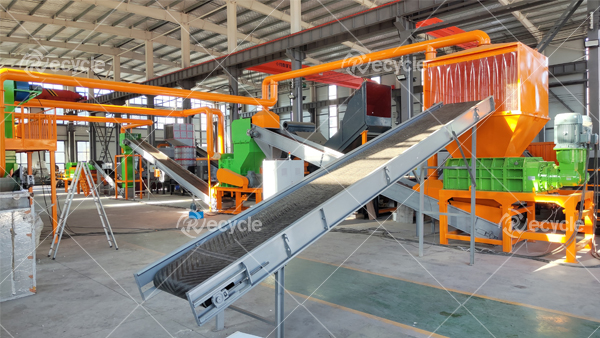
A complete PCB recycling plant may include conveyors, crushers, grinding machines, magnetic separators, air separators, electrostatic separators, and dust collection equipment.
For recyclers, the objective should not be gold recovery alone. Copper and other base metals can represent a significant part of the total recoverable value. A well-designed PCB recycling system therefore focuses on maximizing overall metal recovery.
Before selecting equipment, testing the actual PCB material is recommended. Properly matched machinery can improve processing stability, reduce manual sorting, and turn difficult electronic waste into valuable secondary raw materials.