
Laminated Glass Machines Are Becoming Essential in Modern Glass Recycling
Laminated glass is everywhere. It is used in automotive windshields, architectural glazing, safety windows, and commercial buildings. While its strength and safety benefits are widely recognized, recycling laminated glass presents a unique challenge.
Unlike ordinary glass, laminated glass contains a plastic interlayer—typically PVB—that bonds multiple glass sheets together.
Traditional crushers can break the material, but they cannot separate it effectively.
This is where a laminated glass machine becomes essential.
Modern laminated glass recycling machines are designed specifically to process bonded glass structures while maximizing recovery rates for both glass and PVB film.
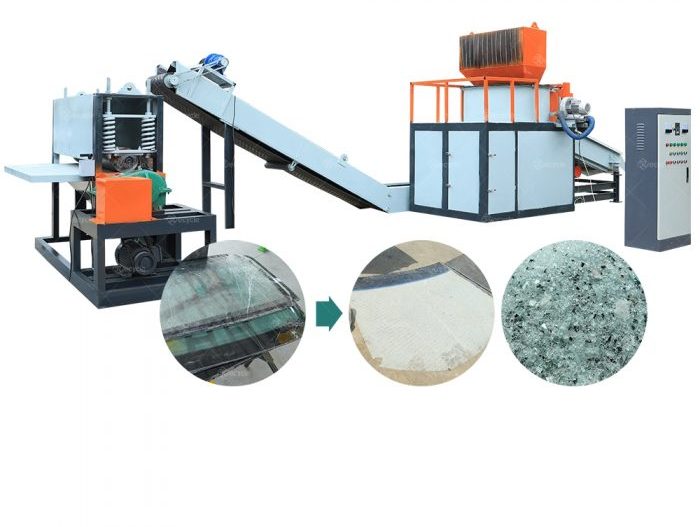
The process usually begins with controlled crushing.
Instead of pulverizing the material aggressively, the machine reduces glass size while preserving separation efficiency. After crushing, specialized screening and separation systems isolate clean glass particles from plastic film.
The economic benefits are substantial.
Recovered glass can be reused in manufacturing, while separated PVB material can be processed for secondary applications.
Another major advantage is operational efficiency.
Manual separation of laminated glass is slow, labor-intensive, and inconsistent. Automated machines provide continuous processing while improving material purity.
Dust control is another important consideration.
Glass recycling environments often generate airborne particles that affect worker safety and equipment performance. Advanced laminated glass machines integrate enclosed structures and dust collection systems to create cleaner operating conditions.
As recycling regulations become stricter and material recovery becomes more valuable, laminated glass recycling is moving from a niche activity to a mainstream industry.
For recyclers looking to increase recovery rates and reduce labor costs, investing in dedicated laminated glass processing equipment can create a significant competitive advantage.